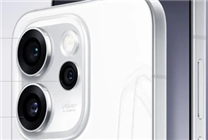

The Rising Cost of Offline Phones: Analyzing Trends and Consumer Reactions
Key Takeaways:
- Major phone manufacturers like OPPO, Vivo, and Honor have increased the prices of their offline models by 200-300 yuan in 2025.
- Rising component costs and market conditions have forced manufacturers to either raise prices or compromise on quality.
- Despite price increases, sales figures indicate a strong customer response, with models maintaining impressive sales performance.
In 2025, the landscape for offline mobile phones is undergoing a significant transformation, marked by a notable price increase across major brands including OPPO, Vivo, and Honor. These offline models have seen their starting prices rise by 200 to 300 yuan compared to their predecessors, raising eyebrows and questions among consumers and industry analysts alike.
Why the Price Increase?
Historically, offline phones have been associated with the term "high price, low configuration," relying heavily on aesthetics and marketing rather than technological superiority. Yet, as costs for memory and storage surged last year, manufacturers found themselves at a crossroads—either raise prices or cut production allocations. Faced with a market that scrutinizes every detail, many opted for the former, aiming to maintain quality standards rather than risk offering underwhelming specifications.
This price increase has indeed affected sales figures, revealing a decline in some models like the Reno 15, S50, and Honor 500 compared to their previous iterations. However, it’s essential to factor in the rapid introduction cycle of offline models, which sees new releases every six months. When analyzing year-over-year data, OPPO maintained its sales, showcasing resilience through effective market strategies.
Sales Performance Amidst Price Hikes
The early sales figures of the Reno 15 series have overshadowed even the flagship Find X9, while the Honor 500 series exceeded expectations by selling 960,000 units in just seven weeks. Meanwhile, the Vivo S50 series continues to attract considerable attention, generating over 100,000 units sold weekly.
In stark contrast, competitors like Honor’s WIN RT, a benchmark online model, have also seen success, moving 170,000 units in just over a month. Yet, despite slight price increases, offline models dominate the mid-range market, leveraging existing brand loyalty and channel advantages to soften the impact on consumers.
Technological Advancements Justifying Higher Prices
Another critical factor contributing to price increases is the advancement in specifications. Today’s offline devices boast powerful chips, such as the Snapdragon 8 Gen5 and Snapdragon 8 Extreme Edition, which were previously unimaginable in this segment. Additionally, features that were once exclusive to high-end models are becoming standard in offline versions. This includes sophisticated imaging capabilities, enhanced fingerprint technologies, and a strengthened domestic supply chain that reduces costs.
Challenges Ahead: Consumer Sentiment and Product Iterations
While the rapid iteration cycle aids in maintaining perceived value, it can also lead to consumer fatigue. Many users may feel pressured to buy the latest models, even when the upgrades are incremental. The practice of simply rotating existing technologies across generations—whether in chips or camera systems—can often leave customers feeling that brands lack authenticity and sincerity.
Moreover, manufacturers must reconcile consumer expectations with innovation. They are urged to borrow from successful high-end models to enrich their offline products without a corresponding price increase. This approach would acknowledge the growing demand for transparency and quality, enabling brands to regain consumer trust.
A Shift Towards Value and Innovation
As we approach 2026, there’s hope for a turn in pricing strategies, especially with the anticipated return of national subsidies aimed at alleviating consumer costs. This opens the door for manufacturers to recalibrate their offerings, moving from a model based on "reskin changes" to genuine innovation.
In conclusion, as the mobile industry evolves, the need for transparency and innovation becomes more pressing. Offline manufacturers can no longer rely solely on branding and marketing to drive sales. Instead, embracing technological advancements and understanding consumer desires will be essential for sustained success. The landscape is shifting, and those who adapt will be well positioned to thrive in this competitive environment.