
The Hidden Dangers of Using Strapping Tape on Power Strip Wires: Fire Safety Risks Explained
Summary:
- Strapping tape can create serious fire hazards by bundling power strip wires.
- High temperatures created by overloaded circuits can lead to electric fires.
- Safe practices are essential for using power strips, especially during peak times like holiday seasons.
As the festive season approaches, households often engage in an annual tradition known as New Year’s Cleaning. In the pursuit of a tidier home environment, many individuals adopt practices like bundling wires from power strips using strapping tape. While this might seem like an effective organizational strategy, it can pose significant fire safety hazards that are often overlooked.
The Experiment: A Revelation of Dangers
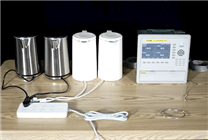
Recent simulation tests conducted by a collaboration of fire safety experts have unveiled the risks associated with bundling power strip wires. A practical scenario was simulated where an 1800-watt electric kettle was connected to a power strip, with the wires tightly bundled. Initially, the temperature of the wires only reached 19.8°C, presenting no immediate danger.
However, when four identical electric kettles were connected simultaneously to the same power strip, the outcome was alarming. The temperature skyrocketed to a staggering 217.2°C, leading to the bundling of wires exploding and igniting. The protective insulation layer was compromised, leaving the wires exposed, a dangerous situation that could have resulted in a catastrophic fire.
Understanding the Risks: The Science Behind it
The occurrence of such extreme heat can largely be attributed to the overloading of power strips when multiple high-power appliances are used simultaneously. Inadequate heat dissipation due to bundled wires hinders the natural cooling process. This scenario not only presents a risk of short circuits but also amplifies the chances of ignition and fires, making it crucial for users to reconsider their wiring practices.
Furthermore, there are several other common practices that significantly heighten electrical hazards:
- Use of Universal Power Strips: The production of universal power strips was halted in 2010 due to their excessive fire risk, which is several times greater than that of standard power strips.
- Series Connection of Power Strips: Connecting multiple strips in series drastically increases the likelihood of overload.
- Ignoring Worn-out Equipment: Many users neglect the 3-5 year service life of power strips, continuing to use aging or damaged ones.
Essential Safety Practices
As we enter periods of increased electricity consumption, particularly during celebrations like the Spring Festival, safe electricity use becomes paramount. Follow these guidelines to minimize fire risks associated with power strips:
- Check for Certification: Ensure that power strips carry the 3C certification mark, indicating compliance with safety standards.
- Limit High-Power Usage: Use high-powered appliances individually rather than plugging multiple devices into a single strip.
- Avoid Bundling Wires: Instead of bundling wires, keep them organized in a manner that allows for adequate heat dissipation.
- Regular Maintenance: Regularly inspect power strips for signs of aging or damage. Replace any strip that shows discoloration or wear.
Conclusion
The seemingly innocent act of organizing electrical wires can transform into a severe fire safety issue if not approached with caution. By understanding the risks and adhering to safe practices, individuals can enjoy a more secure electrical environment during festive seasons and beyond. Ultimately, awareness and education about proper power strip use are key to preventing potential hazards that threaten both property and lives.
In summary, while the intention behind organizing power strip wires may be to create a more orderly home, the implications can be dire. By adopting safer practices, individuals can ensure that their electrical usage remains safe and efficient.