
Huawei Maintains Market Lead Despite Apple’s iPhone 17 Sales Surge
Summary:
- Huawei retains its position as the leading smartphone brand in China, driven by strong sales of the Mate 80.
- Apple’s iPhone 17 series sees robust sales but has not overtaken Huawei, maintaining a strong market presence.
- China’s smartphone market experienced a significant year-on-year sales decline, but a rebound is expected during the Spring Festival in February.
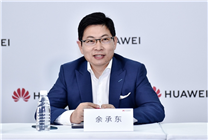
Despite the heated competition in the smartphone market, Huawei continues to assert its dominance in China, emerging as the top mobile phone brand in January 2026. This comes in light of strong sales of its Mate 80 model, which significantly contributed to the brand’s impressive market performance.
According to recent insights from industry analysts, while Apple’s iPhone 17 series is indeed performing well in China, it has yet to disrupt Huawei’s stronghold. A detailed report highlights that overall smartphone sales in China fell by 23% year-on-year in January 2026, painting a challenging picture for many domestic brands.
Market Overview
The decline in smartphone sales can be largely attributed to the high-base effects from subsidies experienced in early 2025, along with shifts in the Lunar New Year sales timing. This transitional phase has influenced consumer purchasing patterns, causing most domestic brands to register double-digit declines in sales compared to the previous year.
Despite this backdrop, Huawei’s strategic initiatives have enabled it to maintain a leading market share of 19% in January. The performance of its Nova series, however, did not meet expectations relative to the same period last year, while the Mate 80 emerged as the brand’s top-selling model.
Strategic Initiatives
To enhance their sales figures during this period, Huawei has ramped up its trade-in programs. By offering competitive recycling prices across various platforms, coupled with an additional 20% subsidy for consumers trading in older devices when purchasing new smartphones, Huawei has managed to sustain its sales performance effectively.
In contrast, Apple has closely followed Huawei, exhibiting the highest market share for a January in almost five years, largely fueled by the sustained success of the iPhone 17 series. While Apple has applied only modest price reductions on the iPhone 17, this strategy provides ample room for potential adjustments or profit maximization prior to the unveiling of the next generation of iPhones.
Future Outlook
Looking further ahead, analysts predict a seasonal uptick in smartphone sales during the Spring Festival, typically one of the peak selling periods in the Chinese market. Given historical data, February is expected to witness a rebound in mobile phone sales, driven by festive consumer behaviors and increased spending.
In summary, while Apple continues to enjoy the momentum generated by its latest offerings, Huawei’s resilient market strategies and strong brand loyalty position it favorably to navigate the fluctuations in the competitive landscape of the Chinese smartphone market.
As we approach the Spring Festival, both brands will be keenly observed for their sales strategies and consumer responses, which will ultimately shape the market dynamics in the months to come.
Conclusion
In conclusion, Huawei’s ongoing commitment to innovation and consumer engagement, combined with Apple’s brand strength, sets the stage for an intriguing competition. As we enter 2026, the smartphone landscape in China remains dynamic and poised for further shifts. Industry stakeholders will be watching closely to see how these market leaders will adapt and respond to evolving consumer preferences and market conditions.