
Unlocking the Power of the MSI GeForce RTX 5090 Lightning Z: A Comprehensive Look at Its Breakthrough BIOS
Summary:
- The MSI GeForce RTX 5090 Lightning Z is the first graphics card to support a staggering 1000W power consumption.
- Recent leaks reveal that the BIOS can be used on non-MSI RTX 5090 models, enabling higher power outputs.
- However, users should exercise caution, as using unofficial BIOS can void warranties and increase the risk of hardware damage.
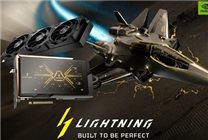
The tech world is abuzz following the revelation of the 1000W BIOS file for the MSI GeForce RTX 5090 Lightning Z. Featured on TechPowerUp, this groundbreaking BIOS enables not only MSI users but also gamers with non-MSI RTX 5090 cards to unlock its full potential.
Unmatched Power Capabilities
As the flagship model of MSI’s graphics card line, the RTX 5090 Lightning Z is unique in its ability to handle up to 1000W of power. This card is designed with dual 16-pin power supply interfaces, catering to both standard and high-performance users. Official modes include two power consumption presets: a robust 800W Overclocking (OC) setting and an Extreme mode that peaks at 1000W. For extreme overclocking enthusiasts, there’s even an option rumored to unlock performance levels up to 2500W.
Widespread Compatibility
What makes this BIOS especially intriguing is its compatibility with RTX 5090 GPUs from other brands, such as Gigabyte, Asus, and Zotac. Users have reported successful flashing of this BIOS, allowing broader access to enhanced performance without limiting to a single brand. While this could create a massive boost in gaming performance, it raises essential questions about safety and warranty.
Risks Involved
Despite its tempting capabilities, it’s crucial to approach this modification with caution. The 12V-2×6 power supply interface is rated for only 600W. Attempting to draw 1000W—or even exceeding that—could lead to severe overheating and potential hardware failures. This model has already seen a concerning number of reported meltdown incidents, making it a risky venture for users plowing into unofficial BIOS territory.
Moreover, users who decide to flash their cards with this unofficial BIOS may void their warranties. Manufacturers retain the right to reject any warranty claims for modified hardware, leaving users vulnerable to financial losses due to hardware failures.
Conclusion: High Stakes for High Performance
In summary, the MSI GeForce RTX 5090 Lightning Z offers unprecedented power potential and enhanced compatibility with a growing range of RTX 5090 graphics cards from various manufacturers. However, this performance boost comes with significant risks that could jeopardize hardware integrity and one’s investment in the card. While enthusiasts may be enticed by the prospect of extreme overclocking, it’s wise to balance ambition with caution to avoid costly consequences.
Final Thoughts
While the leaks surrounding the 1000W BIOS present a thrilling opportunity for gamers, it is vital to navigate this landscape carefully. The allure of enhanced performance must be weighed against potential risks, making informed decisions essential for anyone looking to push their RTX 5090 to the limits.
By thoroughly understanding the capabilities and risks associated with the MSI GeForce RTX 5090 Lightning Z, users can make more informed decisions regarding their hardware choices and modifications.