
Honor’s Design Controversy: A Closer Look
Summary:
- The Honor Power2 smartphone is facing criticism for its design, which some claim resembles Apple’s offerings.
- Honor defends its design as a consensus approach rooted in practical considerations for hardware optimization.
- The debate highlights the ongoing tension between design originality and industry standards in smartphone development.
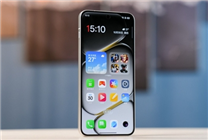
In the realm of technology, design often serves as a battlefield where innovation meets imitation. The recent launch of the Honor Power2 has sparked heated discussions, particularly regarding its design, which many have likened to Apple products.
Design Accusations
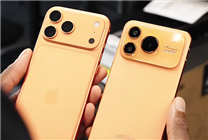
Launched in January 2023, the Honor Power2 features a dual-camera system on its rear. However, to project an aesthetic more akin to Apple’s flagship devices, the phone boasts three camera lenses, with one being an infrared module. Critics argue that this design choice serves to mimic Apple’s visual signature, leading to allegations of superficial imitation rather than genuine innovation.
In response to these accusations, Honor’s customer service issued a statement defending the design choices. They highlighted the need to balance imaging hardware, heat dissipation, and user grip. According to their claim, this consensus in design among various manufacturers is commonly observed in mature technology markets.
A Cross-Examination of Design Principles
The Honor Power2 features two primary rear cameras: a 50-megapixel optical image stabilization (OIS) camera and a 50-megapixel wide-angle camera, complemented by the infrared module. The emphasis on hardware optimization, they argue, drives the similarity in design across different brands, including Apple.
Honor’s assertion aligns with a broader industry trend where smartphone manufacturers gravitate towards proven configurations that enhance user experience. The question then arises: is this a valid argument, or merely a cover for design mimicry?
Market Trends and Consumer Perception
The controversy over the Honor Power2 is not an isolated case; it reflects an ongoing debate in the smartphone industry. Many Chinese manufacturers have faced criticism for adopting design elements reminiscent of Apple, both in appearance and software. For instance, there are claims that some models incorporate fake lenses solely to replicate the aesthetics of the iPhone 17 Pro and Pro Max, further reinforcing this perception.
Tech reviewers and bloggers, including notable figures such as MKBHD, have echoed concerns about the striking similarities between the Honor Power2 and its Apple counterparts. This growing scrutiny prompts consumers to question the originality behind the design and whether it genuinely serves functional or aesthetic purposes.
The Fine Line Between Influence and Imitation
Industry experts argue that while borrowing design elements is common in technology—as seen in various sectors—there is a fine line between being influenced by successful designs and outright copying. Consumers benefit from features that have been optimized over time, but they also crave unique products that offer distinct identities.
Is Honor’s rationale credible? "Mature designs will tend to reach consensus," they say, suggesting that this standardization is inevitable in tech development. However, this perspective may overlook the value of innovation and the potential risks of homogenizing design within the industry.
Concluding Thoughts
The situation surrounding the Honor Power2 serves as a reminder of the intricate balance between innovation and imitation in the smartphone market. As brands navigate consumer expectations and competitive pressures, the challenge remains: how to stand out in an increasingly crowded field while adhering to functional design principles.
The dialogue surrounding the Honor Power2 underscores significant questions about authenticity in technology design. As consumers grow wiser and more discerning, companies must prioritize originality along with practicality, ensuring that their products do not simply echo their competitors but instead contribute uniquely to the industry landscape.
In conclusion, the ongoing discussion surrounding the Honor Power2 offers valuable insights into the nature of design within the technology sector. It reflects broader trends while also inviting further debate about the future of smartphone aesthetics and functionality.
Final Thoughts
As the smartphone industry continues to evolve, the call for innovative design remains louder than ever. Reflecting on the Honor Power2’s situation, it becomes evident that while influences are hard to escape, the drive for originality must remain at the forefront of technological advancement. Will companies heed this call, or will design consensus dominate the future?
This restructured article is optimized for SEO and presents a comprehensive overview of the issues surrounding smartphone design, aiming to engage an audience interested in technology and design debates.