
The Rising Threat of SSD Scams: A Cautionary Tale
Summary:
- Global NAND flash memory supply issues are driving up SSD prices, increasing the risk of scams.
- A recent case highlights the dangers of acquiring discounted SSDs from unverified sources.
- Consumers must remain vigilant to avoid counterfeit products that may falsely appear genuine.
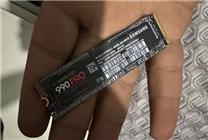
As the global supply of NAND flash memory tightens, the prices of Solid State Drives (SSDs) have surged. Unfortunately, this situation has also opened the door for scammers targeting unsuspecting consumers seeking deals. A cautionary story has emerged from a netizen who believed they scored a bargain by purchasing a Samsung 990 Pro SSD at an unusually low price, only to discover they had fallen victim to counterfeit goods.
The buyer initially felt confident about their purchase, having acquired the 2TB Samsung 990 Pro for 19,000 rupees (approximately 1,460 yuan) from a friend, while the typical retail price in India hovers above 30,000 rupees (around 2,305 yuan). Such a significant discount should have raised red flags, but the lure of a great deal can often cloud judgment.
Upon first use, things appeared normal, but performance metrics quickly revealed a different story. The SSD exhibited a meager read speed of just 20MB/s and a write speed ranging from 9 to 10MB/s—dramatically below the expected specifications for a PCIe 3.0 x4 drive, which should have achieved read speeds exceeding 3000MB/s.
Even when checked through reputable monitoring software such as CrystalDiskInfo and the Windows Device Manager, the drive still falsely identified as a "Samsung SSD 990 Pro 2TB," creating a facade of legitimacy. This highlights the sophistication of counterfeit products, which can often mimic genuine products in appearance and identification, making it difficult for consumers to discern the truth.
The turning point arrived when the buyer ran the Samsung Magician management software, which revealed a shocking warning: “This drive is not a genuine Samsung brand SSD with a valid serial number.” This moment of realization serves as a crucial lesson for consumers. Counterfeit devices can often appear valid at first glance, but performance issues typically reveal their true nature.
Fortunately, since the seller was an acquaintance, the buyer found it relatively easy to arrange a return. However, this incident serves as an urgent reminder for potential buyers. With countless options available online and prices that can seem too good to be true, consumers must exercise caution when purchasing SSDs and other electronic devices.
To avoid falling into similar traps, here are some important tips for consumers:
Tips for Avoiding SSD Scams
- Research Market Prices: Before making a purchase, research the typical price range for the specific SSD model you are interested in. If a deal seems too good to be true, it probably is.
- Purchase from Reputable Sources: Buy SSDs from official retailers or well-known e-commerce platforms that provide buyer protection and reviews.
- Check Verification Tools: Utilize manufacturer software, like Samsung Magician, or third-party utilities to verify the product’s authenticity and performance specifications.
In a marketplace where counterfeit products thrive, consumers must be vigilant and educated. The demand for high-performance SSDs is unlikely to diminish, but as prices rise due to supply constraints, the risk of scams will continue to increase.
By arming themselves with knowledge and skepticism, buyers can navigate the SSD landscape more safely and ensure they invest in genuine products that meet their performance expectations.