
Summary
- NVIDIA’s Strategic Shift: Due to a shortage in video memory and increasing procurement costs, NVIDIA is modifying its production strategy.
- Focus on RTX 50 Series: The company will allocate 75% of its GPU shipments to three specific models: RTX 5060 Ti, RTX 5060, and RTX 5070.
- Market Implications: Gamers may face challenges in acquiring high-end models as supply is prioritized for mainstream choices.
NVIDIA Adjusts Strategies Amid Video Memory Shortage
On February 1, it was reported that NVIDIA, facing the dual challenges of a video memory supply crisis and escalating procurement costs, is enacting a strategy shift for the first quarter of 2026. The company plans to concentrate the majority of its production capacity on three specific models within the RTX 50 series.
Key Focus Areas
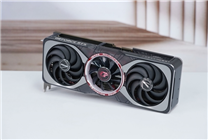
The RTX 5060 Ti, equipped with 8GB of memory, is set to serve as the primary volume model this quarter. Following closely will be the RTX 5060, also with 8GB, and the RTX 5070, which has 12GB of memory. Together, these three graphics cards are anticipated to make up a substantial 75% of total GPU shipments.
Despite the RTX 5070 having 4GB less memory than its competitor, the RX 9070 XT, it occupies a crucial role within NVIDIA’s product lineup. The RTX 5070 fills a vital space in the market, bridging the gap between the 5060 Ti and the forthcoming 5080 model. By emphasizing these mainstream models with 8GB of video memory, NVIDIA aims to optimize the use of its limited memory resources as the supply constraints continue.
Impact on High-End Models
This strategy implies a significant reduction in availability for high-end models, including the RTX 5060 Ti with 16GB, the RTX 5070 Ti, 5080, and even the flagship RTX 5090. These models will collectively represent less than a quarter of NVIDIA’s overall supply, as the company prioritizes units according to actual market demand.
For gamers seeking high-end graphics cards with larger memory configurations in the first quarter of this year, the situation remains challenging. Many may encounter difficulties in sourcing these high-performance models or are likely to endure inflated pricing due to the limited availability.
Looking Ahead
As NVIDIA navigates through this challenging landscape, its focus on mainstream models signals a strategic pivot aimed at maximizing market reach while ensuring the best possible allocation of resources. The ongoing supply chain obstacles underline the necessity for consumers and retailers alike to adapt to a shifting marketplace.
With NVIDIA’s concentrated efforts on the RTX 50 series, the demand for the high-end variants is expected to result in ongoing challenges, compelling gamers to remain vigilant in their pursuit of top-tier graphics hardware.
Conclusion
NVIDIA’s decision to spotlight select models in the face of supply constraints offers insight into the current realities of the graphics card market. As the landscape evolves, both NVIDIA and gamers will need to remain agile, adapting to the constantly changing product availability and pricing pressures.
In summary, the move to prioritize specific RTX 50 series models encapsulates NVIDIA’s broader strategy to reinforce its market position while navigating through ongoing supply issues.