
Summary:
- Surge in SSD Prices: The solid-state drive (SSD) market has experienced dramatic price increases, with SanDisk leading the charge.
- Impact on Consumers: The rising costs have made high-end gaming PCs significantly more expensive, damaging consumer expectations.
- Market Dynamics: A shortage in NAND flash memory, driven by booming demand from the AI industry, underpins the price escalation.
Dramatic Price Surge in Solid-State Drives: A Market Analysis
At the beginning of 2026, the solid-state drive (SSD) market has seen an unprecedented surge in prices, particularly affecting SanDisk’s entire product line. Reports indicate that the costs for their SSDs have skyrocketed, with some models witnessing increases of nearly three times their original prices.
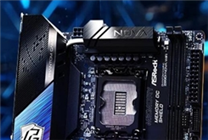
The flagship WD Black SN8100 8TB model now exceeds $2,500 (approximately ¥18,999), a staggering figure that could easily cover the cost of assembling a high-end gaming PC featuring advanced hardware like the Core Ultra 9 processor and a GeForce RTX 5080 graphics card. This price escalation has resulted in significant frustration among consumers who may feel priced out of the market.
Central to this price increase is the widespread market impact seen across various models, not restricted to high-end units. Data from U.S. retailers reveal that SanDisk’s official online store has already adapted to these inflated prices, with certain products reaching retail prices almost three times higher than normal. In particular, the WD Black SN8100 series has seen the most drastic increases—up to 2.5 times its previous cost—while the newly launched 8TB version sets a new pricing benchmark.
Mid-range and budget options have not been immune to these increases. For instance, the pricing of the WD Black SN7100 series has surged dramatically, ranging from 2.1 to 2.9 times higher depending on capacity. Likewise, even the more economical WD Blue SN5100 series has doubled in price, thwarting consumer hopes of sidestepping increased costs by opting for entry-level models.
Understanding the Underlying Causes
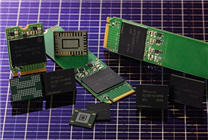
The primary catalyst for this price spike is a significant shortage in NAND flash memory. As the artificial intelligence (AI) sector continues to soar, the demand from data centers is rapidly expanding. This surge has compelled chip manufacturers to prioritize the production of enterprise-level products, thereby diminishing production capacity for consumer-level SSDs. Industry forecasts from TrendForce indicate that NAND flash contract prices are poised to increase by 33-38% in the first quarter of 2026, further exacerbating the supply-demand gap.
In an environment characterized by these shortages, SanDisk’s financial figures have remained robust. In the second quarter of 2025, the company announced revenues of approximately $3.03 billion—a remarkable year-on-year increase of 61%. This performance surpasses expectations and is bolstered by a staggering 64% growth in its data center business, contributing revenues of $440 million. Meanwhile, the edge computing and consumer segments generated $1.678 billion and $907 million, respectively.
What Lies Ahead for Consumers?
For everyday consumers, the outlook on SSD prices appears grim in the short term, with indications that costs are unlikely to revert to previous levels. Installation costs for high-capacity drives will remain elevated, affecting budgeting choices for gamers and tech enthusiasts alike. The repercussions may extend far beyond immediate costs, challenging users to reconsider their purchasing strategies in an increasingly premium market landscape.
In conclusion, the current landscape of SSD prices reflects not only market dynamics but also broader economic factors affecting technology sectors worldwide. While the surge presents opportunities for companies like SanDisk, it simultaneously poses challenges for consumers seeking affordable storage solutions amidst a growing reliance on data-intensive applications.