
The Controversy of Imitation: Foreigners Critique Domestic Smartphones’ Copying of iPhone Designs
Summary
- Brand Imitation: Chinese smartphone manufacturers face criticism for mimicking iPhone designs, down to subtle visual elements.
- Fake Features: Some smartphones feature faux camera lenses, reportedly intended to enhance their resemblance to Apple products.
- Public Perception: The practices raise questions about authenticity and innovation in the smartphone industry.
In the competitive world of mobile technology, one ongoing debate has surged to the forefront: the extent to which domestic smartphone makers are replicating the design aesthetics of Apple’s iPhone. This controversy has not only sparked discussions among consumers and tech enthusiasts but has also drawn ire from international observers, labeling these practices as "shameless."
The Copycat Culture
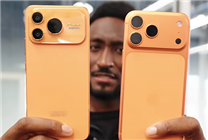
Reports indicate that Chinese smartphone manufacturers are increasingly adopting various design aspects from Apple, including both hardware and software features. This blatant appropriation is apparent in the aesthetic choices made by these companies. For instance, a recent model has been criticized for sporting a color scheme reminiscent of Apple’s signature hues, while also incorporating a faux camera lens—a purported infrared antenna—within its camera module. This design choice aims to mirror the look of the iPhone 17 Pro and iPhone 17 Pro Max, but raises ethical questions about originality.
Visual Deception
The most striking feature, as noted by tech analysts, is that despite having only two functional rear cameras, these phones cleverly integrate a third lens that serves no actual photographic function. This optical illusion not only aims to deceive potential buyers but also aligns with a broader trend of perceived "peer pressure" among manufacturers to echo Apple’s signature style.
From a distance, it is not uncommon for consumers to confuse these devices with their iPhone counterparts, thanks to their strikingly similar appearances. Even the user interfaces of some models have adopted features reminiscent of Apple’s, creating a seamless visual experience that further blurs the line between original and imitation.
A Critical Comparison
Well-known tech commentators, such as MKBHD, have weighed in on this issue, drawing side-by-side comparisons between the iPhone 17 Pro and certain domestic models. Observers have noted that slight variations in design may not be immediately discernible to the average user, further complicating the narrative surrounding brand authenticity.
Moreover, these copycat practices highlight a growing trend in the smartphone industry that prioritizes visual similarity over innovative design. While consumers benefit from a diverse market with varying price points, the question remains: how much homage is too much?
Market Dynamics
The implications of this imitation culture extend beyond aesthetics. As competition intensifies and brands strive for market share, there is a risk that unique brand identities may become diluted. For consumers, this raises an important question: are they enticed by innovation, or are they simply drawn to familiar designs that mimic well-established brands?
The ongoing dialogue about imitation versus innovation also compels consumers to reconsider their purchasing decisions. With the advent of these copycat devices, some may find themselves torn between the allure of affordable alternatives and the perceived quality associated with renowned brands like Apple.
Moving Forward
As technology continues to evolve at a rapid pace, it is imperative for brands to navigate the complex landscape of design inspiration and originality. Striking a balance between taking influence from industry leaders while fostering their unique identity will be crucial in maintaining consumer trust and loyalty.
Ultimately, while the allure of mimicking successful design elements may be tempting for manufacturers, a more innovative approach could yield long-term benefits that extend beyond mere aesthetics. The smartphone industry stands at a crossroads where creativity and competence must come to the forefront, rather than imitation.
Conclusion
The debate surrounding domestic smartphones and their imitation of Apple’s design features serves as a reflection of larger questions in the tech industry. As foreign critics express their disdain for these practices, it’s essential for both consumers and manufacturers to engage in meaningful discussions about authenticity, innovation, and the future direction of smartphone design.
The evolving landscape of smartphone technology remains dynamic, and as brands either embrace or reject imitation practices, only time will reveal the long-term sustainability of such strategies.