
Apple’s Market Dominance: iPhone ASP Surpasses $1,000
Summary:
- Apple’s iPhone average selling price (ASP) has crossed the $1,000 threshold for the first time.
- The global smartphone market ASP has also seen a significant increase, exceeding $400.
- Android competitors lag significantly behind, both in ASP and overall performance.
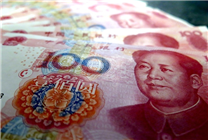
In a pivotal moment for the smartphone industry, Apple’s iPhone has achieved a remarkable milestone by surpassing a $1,000 average selling price (ASP) for the first time. This development, reported for the fourth quarter of 2025, showcases the tech giant’s prowess in the high-end smartphone market, reaching an ASP of approximately $1,011, or around RMB 7,230.
Data from industry experts reveals a broader trend within the smartphone market, highlighting an upward trajectory in ASPs across the globe. For the first time, the average selling price of smartphones exceeded $400, marking an 8% year-on-year increase. This trend emphasizes the ongoing shift toward premium devices as consumers increasingly seek enhanced features and performance.
Apple’s impressive performance is largely attributed to the strong demand for the iPhone 17 series, particularly the Pro and Pro Max versions. The sales momentum generated by these models has significantly influenced the average selling price, underscoring Apple’s ability to command premium pricing in a competitive landscape.
In stark contrast, Android manufacturers are struggling to keep pace. Samsung, once a dominant player, reported an average selling price of $258 (approximately RMB 1,850), highlighting a noticeable gap between it and Apple’s market metrics. Furthermore, among China’s homegrown brands, OPPO, vivo, and Xiaomi reported average selling prices of $249 (approximately RMB 1,780), $233 (approximately RMB 1,670), and $155 (approximately RMB 1,110), respectively.
This disparity reflects a broader market sentiment where consumers equate the purchase of an iPhone with social status and financial achievement. The phrase "how long do you have to work to buy an iPhone?" has become a common expression, indicating the cultural phenomenon surrounding Apple’s pricing power and brand perception. The concept serves as a benchmark for many, revealing just how significant the gap is between Apple’s offerings and those of its Android competitors.
Apple’s commanding ASP reinforces its position as an industry leader, further solidifying its reputation within the luxury technology sector. Despite the advancements made by Android manufacturers, the average selling prices indicate a persistent divide, rendering many Android devices less appealing to consumers seeking premium experiences.
As smartphone technology continues to advance, including innovations in camera quality, battery life, and overall user experience, it will be essential for Android brands to reevaluate their strategies. A renewed focus on premium features and pricing may be necessary for these companies to compete effectively against Apple’s established dominance.
In conclusion, as the global smartphone market evolves, Apple remains at the forefront, securing its status with the iPhone’s record-breaking average selling price. The implications of this trend extend beyond mere statistics; they reflect the adaptive nature of consumer preferences and the ongoing competition among technology giants. As the landscape continues to shift, it will be fascinating to observe how Android manufacturers respond to the challenge posed by Apple’s enduring allure and market strength.
In this age of rapid technological advancements, the smartphone industry’s dynamics underscore the paramount importance of innovation, pricing strategies, and brand equity. Apple’s latest achievements not only highlight its significant market position but also serve as a catalyst for all players in the technology sector to rethink their strategies and approach to the evolving consumer demands.