
Will You Be Able to Buy an iPhone Next Year? A Deep Dive into the Fiberglass Supply Crisis
Key Takeaways
- Major tech players like Apple, Qualcomm, and Nvidia face a potential shortage of essential materials for their devices, primarily fiberglass cloth.
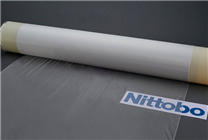
- Japan’s Nitto Textile Company monopolizes the market for high-end fiberglass, critical for advanced PCBs and chip packaging.
- Apple is exploring Chinese manufacturers to secure alternative suppliers amid escalating demand and supply chain challenges.
The landscape for technological giants is shifting dramatically, with alarming implications for consumers’ ability to purchase new devices in the coming year. Reports indicate that major companies—including Apple, Qualcomm, and Nvidia—are experiencing unprecedented anxiety about the availability of essential materials, particularly fiberglass cloth, a key component in modern electronics.
The Fiberglass Shortage Crisis
In a proactive move last fall, Apple dispatched a representative to Japan’s Mitsubishi Gas Chemical Co. to help stabilize the production of BT resin substrates, which are crucial for many of its products. However, one of the primary inputs required to achieve this stability is fiberglass cloth.
Apple’s desperation is not just a whisper but a concrete effort that includes direct negotiations with Japanese government officials. Their goal? To increase the production of fiberglass to ensure the timely release of their products by 2026.
Simultaneously, Nvidia and AMD have also sought to secure fiberglass supplies, highlighting a growing demand among tech giants. But what compels these billion-dollar companies to act with such urgency? The answer lies in understanding the critical role fiberglass plays in today’s high-tech devices.
Understanding the Importance of Fiberglass
Fiberglass is not just a mundane material; it is integral to modern electronics. The demand primarily revolves around high-quality glass fiber cloth, which serves pivotal functions in high-performance printed circuit boards (PCBs) and advanced chip packaging.
In PCBs, fiberglass fulfills two essential roles: it serves as the core board structure and acts as an insulator between layers of circuits. Think of it as the cream in a layer cake; it provides both stability and function.
In chip design, fiberglass helps counteract the thermal expansion and contraction of components, thereby preventing warping—a crucial factor for performance.
However, as technology advances, standard fiberglass is no longer adequate. The industry increasingly requires two specialized forms: Low-dK (low dielectric constant) fiberglass and Low-CTE (low coefficient of thermal expansion) fiberglass, both crucial for high-speed data transmission and effective thermal management.
The Monopoly Behind Fiberglass Supply
Despite the high demand for advanced fiberglass materials, the industry is hamstrung by limited supply. The overwhelming majority of high-end fiberglass production is controlled by Japan’s Nitto Textile Company, along with its partners, which together dominate nearly 70% of the global market. The process of developing quality electronic glass formulas is complex, often requiring hundreds or even thousands of experiments to perfect. For instance, Nittobo dedicated over 30 years to develop its NE-glass material.
The cost of entry into this market is another barrier to scalability. Establishing a specialized electronic yarn kiln demands significant investment—between $70 million to $210 million—and the expansion process typically takes more than two years.
Apple’s Strategic Shifts
Given these supply constraints and Nitto’s reluctance to expand production rapidly—due to prior losses in 2022—Apple is adopting a forward-thinking strategy. It is reportedly scouting potential suppliers in China, including Honghe Electronic Materials, which claims to have developed competitive Low-CTE technology. This move might allow Apple to circumvent its reliance on Japanese suppliers.
Meanwhile, Chinese companies like Taishan Glass Fiber and Taiwan Glass are also making strides in Low-CTE glass fiber technologies, with significant investments planned for new production projects. These developments could provide alternative supply chains that may alleviate the current dependency on Nitto.
Implications for Consumers and Manufacturers
As Apple, Nvidia, and other companies navigate these turbulent waters, the implications for consumers, particularly regarding future device availability and pricing, may be significant. The pressure to secure enough high-end fiberglass may lead to shortages and increased costs for flagship products, including the upcoming iPhone 17 and next-gen Nvidia graphics cards.
Conclusion: A New Era in Technology Supply Chains
The current crisis surrounding fiberglass supply not only highlights the intricate dependencies within modern technology manufacturing but also serves as a bellwether for future supply chain strategies. With major companies exploring alternative suppliers, including those in China, the once-tight monopoly of Japanese firms could be challenged. As the industry adapts to these changes, consumers may need to brace for potential shortages and rising prices in the fast-evolving technological landscape.
In navigating this crisis, one thing is clear: the future of technology could very well hinge on the capabilities of new players entering the fiberglass arena. As Apple and other firms adapt to the challenges ahead, the story of fiberglass will likely remain a focal point in the broader narrative of supply chain resiliency in the tech industry.