
Huang Renxun’s Visit to China Yields Significant Approval for Nvidia H200 Chip Orders
Summary:
- Nvidia CEO Huang Renxun’s recent visit to China led to the approval of substantial orders for H200 artificial intelligence chips.
- The initial batch caters primarily to three major Chinese internet companies.
- Official confirmation from China’s Foreign Ministry emphasizes the need to consult competent authorities for specific details.
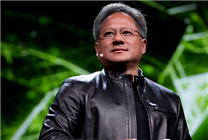
Huang Renxun, the CEO of Nvidia, recently made headlines with his strategic visit to China, culminating in the approval of the first batch of H200 chips. This milestone signifies a pivotal moment in the integration of cutting-edge artificial intelligence technology within the Chinese market.
According to insider reports, China has granted approval for the import of hundreds of thousands of Nvidia H200 AI chips, a move that aligns with the country’s growing emphasis on AI advancements. The approval was notably secured during Huang’s visit and focuses on the needs of China’s digital ecosystem.
Major Players in the Chinese Market
The approved H200 chip orders are primarily allocated to three prominent Chinese internet companies, reflecting Nvidia’s strategic partnership with key industry players. While the identities of these companies have not been disclosed, the anticipation surrounding subsequent approvals for additional enterprises is palpable. There is uncertainty regarding how many more companies will be included in upcoming batches, but the initial response underscores the significant demand for AI technology within China.
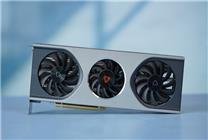
Nvidia’s H200 chips are designed to enhance AI processing capabilities, making them essential for the tech-oriented landscape of China. The integration of these chips is expected to spur further innovation and development within AI applications across various sectors, including finance, healthcare, and e-commerce.
Official Response from China’s Foreign Ministry
In light of the media discussions surrounding the approval of Nvidia’s H200 chips, the Chinese Foreign Ministry has addressed inquiries about this development. During a recent press conference, spokesperson Guo Jiakun responded to a reporter’s question regarding the chip imports. While acknowledging the issue’s significance, Guo urged reporters to consult relevant Chinese authorities for more specific information.
The Foreign Ministry’s cautious approach reflects the intricate dynamics of international trade and technology transfer. As China continues to position itself as a global leader in technology, cooperation with foreign enterprises like Nvidia becomes increasingly crucial.
Implications for the AI Landscape
The approval of Nvidia’s H200 chips is not merely a corporate success; it also signals China’s commitment to advancing its AI sector. The chips are anticipated to facilitate cutting-edge developments in machine learning, data analysis, and automation. As companies ramp up their AI capabilities, the demand for sophisticated processing units like the H200 is expected to surge.
This move may also encourage other tech firms to explore collaborations with Nvidia, which could lead to an influx of technological innovations in China. The strategic partnerships formed through these orders could foster a beneficial ecosystem for both Nvidia and Chinese enterprises, promoting growth in the AI sector.
Conclusion
Huang Renxun’s visit to China has not only resulted in significant orders for Nvidia’s H200 chips but has also laid the groundwork for enhanced collaboration in the tech sector. As the approval process unfolds, the anticipation of further developments will drive interest in how these partnerships evolve.
Companies and stakeholders in the AI industry should closely monitor these trends, as they are likely to shape the future landscape of artificial intelligence in China and beyond. The successful integration of Nvidia’s chips will play a critical role in advancing AI technology, ultimately changing the way businesses operate in various fields.
In conclusion, the developments surrounding Huang Renxun’s trip to China highlight the intricate relationships in the global technology landscape. As Nvidia forges deeper ties with the Chinese market, the ramifications for AI development will undoubtedly be far-reaching, creating new opportunities for innovation and growth.