
MiniLED TVs Set to Revolutionize China’s Color TV Market by 2025
Key Takeaways:
- Retail sales of China’s color TV market are projected to reach 27.63 million units by 2025, a significant decline of 10.4%.
- MiniLED TVs are anticipated to dominate this market, constituting over 31.8% of total sales.
- Technological advancements and reduced prices are driving consumer demand for MiniLED models.
China’s color TV market is poised for a significant downturn, with projections indicating that retail sales will plummet to their lowest level in a decade by 2025. Despite this overall decline, a ray of hope shines through the MiniLED segment, emerging as a burgeoning force in the industry.
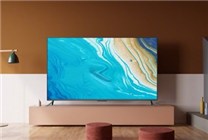
According to industry insights, China’s color TV market is expected to record retail sales of just 27.63 million units in 2025, marking a substantial 10.4% decrease from previous years. This decline is concerning, yet within this bleak landscape, MiniLED televisions have gained remarkable traction. It is estimated that MiniLED TVs will account for 31.8% of total TV sales, translating to roughly three out of every ten televisions sold being MiniLED models.
A Rising Star in the High-End Market
The growing popularity of MiniLED technology is not merely a flash in the pan; instead, it signifies a fundamental shift in consumer preferences and technological capabilities. By 2025, MiniLED TVs are forecasted to capture an impressive 55.4% of the high-end market share, solidifying their position as the preeminent choice for discerning consumers seeking superior viewing experiences.
Technological Advancements Drive Quality and Affordability
The surge in MiniLED TV sales is primarily fueled by a combination of technological advancements and escalating consumer demand. MiniLED backlight technology has significantly enhanced image quality, providing features that resonate with modern audiences’ desires for immersive entertainment. Notable brands, including Xiaomi and TCL, have introduced models boasting as many as 1,920 physical partitions, brightness levels exceeding 2,000 nits, and astounding contrast ratios in the millions. These characteristics align with user expectations for cutting-edge movie streaming and high-performance gaming experiences.
Moreover, as manufacturing efficiencies improve and yield rates rise, the cost of MiniLED televisions is steadily decreasing. The price of a 75-inch MiniLED TV has dipped below 4,000 yuan, while even larger models, such as 98-inch versions, are now available for under 8,000 yuan after government subsidies. Such price adjustments render this advanced technology more accessible to a broader segment of consumers, paving the way for MiniLED TVs to undergo a democratization akin to previous technological breakthroughs.
Summary
In conclusion, as the Chinese color TV market faces challenges, MiniLED technology stands out as a beacon of opportunity. With its anticipated rise in market share and consumer affordability brought about by advancements in technology and production efficiencies, MiniLED TVs are set to become the favored choice among consumers. The convergence of high-quality visuals, enhanced performance, and lower price points is likely to ensure that MiniLED TVs continue to thrive in an otherwise struggling market.
As stakeholders in the industry monitor these developments, the MiniLED trend will undeniably shape the landscape of television entertainment in China, offering a promising outlook amidst chaotic market conditions.