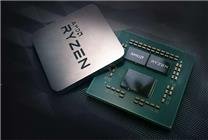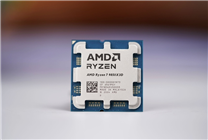

AMD Ryzen 7 9850X3D: Unleashing the Power of Gaming Processors
Summary:
- The Ryzen 7 9850X3D boasts an impressive 96MB L3 cache and enhanced frequencies, making it the leading gaming processor available.
- With second-generation AMD 3D V-Cache technology, it addresses previous heat management issues effectively.
- This review also evaluates how high-latency memory impacts gaming performance.
1. Introduction: The Arrival of the Ultimate Gaming Processor
The release of the AMD Ryzen 7 9850X3D marks a significant milestone in gaming technology. Designed to tackle the growing demands of modern computing, this processor enhances performance through sophisticated memory management and cutting-edge architecture.
Historically, CPUs directly accessed main memory, leading to inefficiencies as processor speeds grew while memory speeds lagged. To mitigate performance bottlenecks, cache memory was introduced, allowing CPUs to quickly access frequently used data. However, as game and application requirements have evolved, the demand for efficient processing has necessitated larger cache capacities.
Larger cache sizes are crucial for minimizing memory-related performance issues. This is where the extraordinary specifications of the Ryzen 7 9850X3D shine, particularly its substantial cache.
2. Breaking Down the Specifications
The Ryzen 7 9850X3D shares similarities with its predecessor, the Ryzen 7 9800X3D, featuring:
- Cores/Threads: 8/16
- L2 Cache: 8MB
- L3 Cache: 32MB (expanded to 96MB with 3D V-Cache)
- TDP: 120W
The distinguishing factor lies in the performance frequency. While the Ryzen 7 9800X3D operates at a base frequency of 4.7GHz and an acceleration of 5.2GHz, the new powerhouse boasts a base frequency of 4.7GHz yet significantly ramps up the acceleration frequency to an impressive 5.6GHz.
3. The Innovation of 3D V-Cache Technology
A standout feature of the Ryzen 7 9850X3D is its integration of second-generation AMD 3D V-Cache technology. Unlike its predecessors that stacked the cache on top of the CPU core, this model repositions the cache to ensure efficient heat conduction. This innovation allows for improved thermal management, resulting in better performance without overheating issues that plagued earlier X3D processors.
4. The Performance Impact of Memory Latency
In light of rising memory costs, this review analyzes how low-frequency, high-latency memory affects gaming performance in the Ryzen 7 9850X3D. The processor’s 96MB L3 cache is expected to compensate for limitations in memory speed; however, testing will reveal its effectiveness in real-world gaming scenarios.
5. Conclusion
The AMD Ryzen 7 9850X3D is undeniably one of the most powerful gaming processors available in the market today. Its innovative design, significant cache enhancements, and efficient heat management make it an ideal choice for gamers seeking high performance.
With its potentials being evaluated in various gaming environments, the Ryzen 7 9850X3D stands poised to redefine gaming experiences while tackling the challenges of modern memory demands. As gaming continues to evolve, this processor is set to remain at the forefront of high-performance computing.
The Ryzen 7 9850X3D signals AMD’s commitment to continuous innovation and excellence in the gaming processor market, reinforcing the brand’s reputation as a leader in high-performance computing technology.