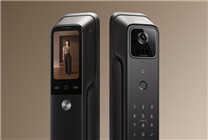

The Future of China’s Smart Door Lock Market: Xiaomi’s Dominance
Summary:
- Xiaomi is set to maintain its lead in the smart door lock market through 2025, marking five consecutive years at the top.
- Overall sales of smart door locks in China are projected to decline slightly, while online retail growth is expected to surpass offline sales for the first time.
- The high-end segment of the market is poised for growth, with innovations and premium products driving consumer preferences.
As the landscape of the smart door lock market in China evolves, December 2025 will mark a pivotal moment in this competitive arena. According to recent industry insights, Xiaomi has decisively cemented its status as the top vendor in the online segment for another consecutive year, reinforcing its position since 2021. This achievement comes as part of a broader trend highlighting escalating competition and changing consumer behaviors within the sector.
Market Overview
In 2025, the projected volume of smart door locks sold through omni-channel retail is expected to reach 19.51 million units, signifying a modest decline of 3.9% year-on-year. However, the average price per unit is on the rise, anticipated to reach 1,087 yuan, an increase of 5.6% compared to the previous year. Notably, the online retail channel is poised to become the dominant sales channel, capturing 42.7% of total sales, a milestone that underscores the shifting preferences of consumers towards online shopping.
Key Players and Market Dynamics
Data indicates that the leading brands within traditional e-commerce channels hold nearly 60% of the market share, while the top ten brands collectively account for over 75%. Xiaomi has not only topped the sales chart but has also significantly outpaced competitors such as Deschmann and Cadiz. This dominance is attributed to a well-structured product matrix that caters to various consumer demographics.
Xiaomi’s Winning Strategy
Xiaomi’s successful strategy revolves around offering a diverse range of products that appeal to different market segments.
-
Entry-Level Market: The E30 series, priced at 699 yuan, has emerged as a favorite among renters and young users, thanks to its C-class lock cylinder and multiple unlocking methods. The product’s compatibility with the Mijia ecosystem further enhances its appeal, leading it to become the top seller in the sub-1,000 yuan category.
- Mid-to-High-End Market: The Xiaomi Smart Door Lock 4 Pro series, retailing at 2,499 yuan, showcases cutting-edge technologies such as AI palm vein recognition and 3D face recognition. This innovative approach has positioned it as one of the leading choices within the 2,000-3,000 yuan price range. Additionally, high-end options like the M40 Pro, priced at 3,799 yuan, offer comprehensive capabilities that cater to premium users’ needs.
Future Trends
Looking ahead, market analysts predict a slight recovery in omni-channel retail sales, with projections of 0.2% growth in 2026. The high-end segment is expected to gain further traction, driven by consumer interest in advanced technology and enhanced security features. The broader industry is poised for a year-on-year sales increase of 4.9% as consumer preferences shift towards more sophisticated products.
Conclusion
The competitive environment in China’s smart door lock market is shaping up to be dynamic, with Xiaomi continuing to lead the way. As the market adjusts to rising online sales and an increasing focus on high-end innovations, the landscape will likely see more entrants vying for consumer attention. The trends suggest that the smart door lock segment will evolve significantly, aligning with advancements in technology and consumer expectations for enhanced security solutions.
As we approach 2025, businesses in the smart home technology sector must remain agile and responsive to market shifts to thrive in this fast-paced environment. With Xiaomi’s ongoing success serving as a benchmark, other brands will need to innovate continuously and develop robust strategies to gain a foothold in this burgeoning market.