
AMD’s Remarkable Comeback: A Journey Through Strategic Innovations
Summary:
- AMD’s market share in the server CPU sector has soared from 1% to over 40% since the launch of its Zen architecture in 2017.
- CEO Lisa Su attributes this success to three critical strategic shifts.
- Innovations in product lines and partnerships have solidified AMD’s position as a leader in the semiconductor industry.
It has been over eight years since AMD unveiled its groundbreaking Zen architecture, marking a pivotal moment in the CPU landscape. Since then, the company has executed a remarkable turnaround, significantly boosting its market share in server CPUs from a mere 1% to an impressive 40%. This resurgence highlights AMD’s ability to adapt and innovate in an intensely competitive market.
Challenges and Strategic Shifts
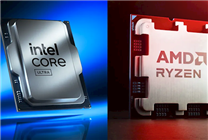
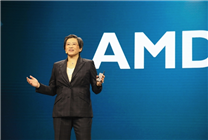
Despite AMD’s success, competitors have faced difficulties, evidenced by disappointing financial results reflecting an estimated 17% decline in revenue. However, AMD continues to thrive, largely due to the visionary leadership of CEO Lisa Su. During a recent podcast with Jodi Shelton of the Global Semiconductor Alliance, Su elaborated on AMD’s transformative journey and the strategic choices that fueled its growth.
1. Radical Product Line Overhaul:
One of the initial hurdles Su confronted was the realization that AMD’s existing server product roadmap was no longer viable. Acknowledging this fact prompted the tough decision to pivot away from the established product lines. Though this move initially placed AMD in a challenging position, it laid the foundation for future success. By starting from scratch, AMD reframed its development approach and opened up avenues for innovation.
2. Innovative Technical Route:
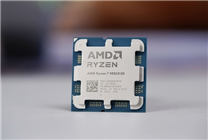
Su’s leadership marked AMD’s strategic choice to move away from conventional CPU development pathways. Her team implemented a chiplet architecture coupled with advanced packaging technology—a bold decision at the time. This innovative approach enabled AMD to deliver high-performance chips efficiently, setting the stage for a competitive resurgence.
3. Strategic Foundry Partnerships:
Historically, AMD relied on GlobalFoundries (GF) for manufacturing its CPUs. However, GF’s limitations in advancing beyond 14nm prompted AMD to seek alternative partnerships. Turning to TSMC—the leader in advanced semiconductor foundry technology—proved to be a game-changer. Despite TSMC’s inexperience in producing high-performance x86 CPUs, the collaboration has yielded remarkable success. Today, AMD stands as one of TSMC’s largest customers and is positioned to potentially overtake Apple in AI chip orders.
Looking Forward: Continuous Innovation
AMD’s journey is not just a tale of past triumphs but also a promise of future innovation. The company is poised to leverage its advancements in chiplet architecture and foundry partnerships to explore new horizons in AI and high-performance computing.
As AMD continues to invest in research and development, the focus remains on pushing technological boundaries and maintaining its competitive edge. The strategic shifts championed by CEO Lisa Su have not only revitalized the brand but also signal a commitment to constant evolution in a fast-paced industry.
Conclusion: A Model for Resilience
In conclusion, AMD’s ascent from a struggling entity to a powerhouse in the semiconductor realm exemplifies the power of strategic innovation and visionary leadership. By embracing change and recalibrating its approach to product development and partnerships, AMD has successfully carved out a significant niche in the market.
As technology continues to advance, the lessons gleaned from AMD’s journey may serve as valuable insights for other companies striving for success in turbulent waters. The future looks bright for AMD, fueled by its commitment to innovation and an unwavering focus on delivering high-value solutions to its customers.