
Apple iPhone Air Sees Dramatic Price Cut: Now Starts at Just 5,499 Yuan
- Significant Discount: The iPhone Air is now available for 5,499 yuan after a 2,500 yuan price cut.
- Next-Gen Specs: Featuring the A19 Pro chip, a 6.5-inch display, and eSIM technology, it represents cutting-edge innovation.
- Considerations: Potential buyers should weigh the device’s limitations, including battery life and single speaker functionality.
On January 23, Apple’s official flagship store on Tmall initiated an exciting New Year’s promotion that has garnered considerable attention, particularly surrounding the iPhone Air. Originally priced at 7,999 yuan, the iPhone Air now features an enticing discount of 2,000 yuan, bringing the starting price down to 5,999 yuan. This effective pricing strategy makes the iPhone Air more accessible to consumers, especially during the festive season.
Price Breakdown
The current promotion results in the price falling within the purview of a national subsidy. After factoring in an additional subsidy of 500 yuan, the final price for consumers is an appealing 5,499 yuan. This represents one of the most substantial price reductions for a new iPhone model in recent history.
Launched in China on October 22, the iPhone Air’s price has now seen a decrease of 2,500 yuan within just three months. This unprecedented cut has set a new record for price reductions on recently released iPhone models, ultimately challenging consumer perceptions of premium pricing in the smartphone market.
Product Features
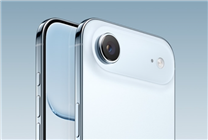
The iPhone Air is powered by the advanced A19 Pro chip and boasts a vibrant 6.5-inch Super Retina XDR display with ProMotion adaptive refresh rate technology that supports up to 120Hz. Additionally, the device features a rear-facing 48-megapixel camera, designed for exceptional photography experiences.
This model stands out in terms of size and weight, measuring only 5.6 mm in thickness and weighing just 165 grams, making it Apple’s slimmest iPhone to date. One key design feature is its reliance on eSIM technology, eliminating the need for a physical SIM card slot. This modern approach to connectivity strengthens the device’s sleek aesthetics while tapping into the future of mobile technology.
Connectivity Considerations
While the iPhone Air supports eSIM functionalities, activation through various telecom providers in mainland China—such as China Mobile, China Telecom, and China Unicom—requires an offline process, which can be cumbersome for users. This aspect of the iPhone Air has led some consumers to hesitate, particularly those who may be unfamiliar with eSIM technology.
Another point of contention among potential buyers is the device’s audio capabilities. With only one earpiece speaker, the sound output has drawn criticism from mobile users looking for more immersive audio experiences.
Weighing the Pros and Cons
Before making a purchase, it is essential for potential buyers to consider both the advantages and limitations of the iPhone Air. While the flagship device delivers impressive technological advancements, prospective users should evaluate their tolerance for potential drawbacks, such as:
- Battery Life: Users should assess whether the battery performance meets their daily needs.
- Camera Capabilities: While the 48-megapixel camera offers quality, some may find it lacking compared to multiple-camera setups on competitors.
- Audio Experience: The single speaker design may not satisfy users seeking superior audio quality.
- eSIM Limitations: Understanding the activation process and eSIM limitations is crucial for seamless operation.
Conclusion
The dramatic price cut of the iPhone Air symbolizes a significant moment in Apple’s pricing strategy and could persuade many consumers to explore the brand’s latest offerings. With its combination of advanced features and cutting-edge technology, the iPhone Air may provide a compelling option for those eager to experience Apple’s ecosystem without the hefty price tag usually associated with their devices. As always, it is important for buyers to align their needs with the strengths and limitations of the device before making an investment.