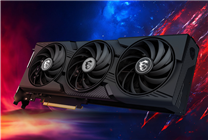

Surge in Graphics Card Prices: Insights into the Market Shifts
Summary:
- Graphics card manufacturers NVIDIA and AMD are increasing prices due to rising GDDR6 and GDDR7 memory costs.
- Distributors like MSI, Asus, and Gigabyte are implementing price hikes across various models.
- This trend marks a significant shift in pricing for both high-end and mid-range graphics cards.
January 21, 2023 – The landscape of graphics card pricing is undergoing a notable transformation as manufacturers respond to escalating costs associated with GDDR6 and GDDR7 video memory. Firms such as NVIDIA and AMD are adjusting their pricing strategies, leading to a ripple effect felt throughout the market.
Price Increases Across the Board
According to recent industry insights, NVIDIA has officially informed its Add-In Card (AIC) partners of impending price adjustments, effective January 16. While the core GPU unit prices remain stable for the time being, the rising costs of memory—a crucial component in graphics cards—are gradually reaching consumers. As a result, downstream manufacturers are compelled to adjust their pricing to reflect these changes.
Taiwanese distributors have started implementing price increases for AMD graphics cards, while MSI has already initiated a new round of price hikes for its NVIDIA RTX 50 series graphics cards. Additionally, leading manufacturers like Asus and Gigabyte are expected to announce their price adjustments before month-end, further influencing market pricing.
Significant Fluctuations in Terminal Prices
The current selling prices for graphics cards have shown marked volatility. Reports indicate that the spot price of AMD’s RX 9000 series has surged between 10% to 18%. In comparison, NVIDIA’s RTX 50 series models featuring 16GB or more of video memory are seeing price increases ranging from 15% to 20%. This significant rise indicates that consumers may need to prepare for higher costs when seeking new graphics solutions.
As memory costs comprise an increasing percentage of overall production expenses, NVIDIA has adopted a revised supply strategy. The company is prioritizing models equipped with 8GB of video memory and is focusing on ramping up the output of high-end GPU chips within this specification. This strategy not only reflects changing manufacturing priorities but is also indicative of an evolving market landscape.
Implications for the Gaming Community
The price hikes are poised to impact gamers and industry professionals alike. For enthusiasts looking to build or upgrade their systems, the financial implications cannot be overlooked. As price points for increasingly popular high-performance graphics cards rise, potential buyers may need to reconsider their purchasing decisions, weighing performance against budget constraints.
Moreover, the escalating costs could lead to increased demand for older models or alternatives, suggesting a potential shift in consumer preferences. Those within the gaming and tech communities should stay abreast of these developments, as they may inform future purchasing strategies.
Future Outlook
In conclusion, consumers should brace for potential further price hikes in the graphics card market as manufacturers continue to navigate rising costs of essential components like GDDR6 and GDDR7 memory. With key players like NVIDIA and AMD recalibrating their pricing structures and supply strategies, the gaming landscape is set for an evolution that could impact not only current hardware availability but also future innovations in graphics technology.
Staying informed about these market shifts is vital for anyone invested in gaming or graphic-intensive workflows, as the cost-efficiency of future purchases may significantly impact overall performance and satisfaction. The coming weeks and months will be crucial as companies reveal their full pricing strategies and assess their implications for the industry moving forward.
By keeping a close eye on market trends and adjusting purchasing strategies accordingly, consumers can navigate these changes more effectively, ensuring they make informed decisions in an evolving technological landscape.