
Is Extreme Thinness and Lightness in Phones Worth It?
Summary:
- The rise of ultra-thin smartphones like the iPhone Air sparks debate over usability and practical performance.
- Honor’s Magic 8 Pro Air enters the competitive smartphone arena with a focus on balance between weight, features, and usability.
- Understanding the trade-offs between design and functionality can guide consumers in their purchasing decisions.
Are extremely thin and light mobile phones truly practical? As the tech world buzzes about the recent iPhone Air, it’s essential to explore the pros and cons of such designs. In an era where 5G connectivity and enhanced video capabilities have led to thicker and heavier devices, the phenomenon of ultra-thin smartphones appears both innovative and contentious.
The iPhone Air, with its sleek 6mm body and weight of merely 166g, makes it almost imperceptible when tucked away in a pocket. Yet, despite its jaw-dropping design, sales figures reveal a less-than-favorable reception, leading to speculation about its potential discontinuation. Surprisingly, this hasn’t deterred other manufacturers from releasing their own "Air" models, with Honor stepping up to the challenge.
Honor Magic 8 Pro Air: A New Contender
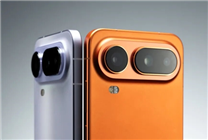
Enter the Honor Magic 8 Pro Air, which presents as a lightweight and compact alternative. At 6.31 inches and weighing in at just 158.4g, it feels more manageable than its competitor. However, after intensive hands-on testing, the question remains: does it truly deliver the promised performance of both “Pro” specs and an “Air” feel?
In terms of thickness, Honor’s Magic 8 Pro Air measures 6.58mm—slightly chunkier than the iPhone Air, yet it offers aspects that enhance usability. The device successfully maintains a delicate balance between portability and functionality. The sleek screen frame complements its modern aesthetic, although the sharp edges lack the ergonomic benefits that rounded designs typically offer.
Design versus Comfort
Borrowing from modern aesthetics, the Magic 8 Pro Air adopts a flat edge design that contrasts with the rounder curves favored by many. While this design looks sharp, it can feel slightly uncomfortable in prolonged use, potentially detracting from the user experience. A flaw of straight edges is their lack of visual appeal in terms of perceived thickness, creating an impression of bulk that could dissuade potential buyers.
Regardless, it’s important to note how impressive the features are packed into this relatively small device—a testament to Honor’s engineering capabilities. The phone houses a 5500mAh battery, MediaTek Dimensity 9500 processor, and a comprehensive camera setup comprising ultra-wide, main, and telephoto lenses, showing potential beyond its minimalist design.
A Truly Multitalented Device
One standout feature is the retention of the physical SIM card slot, allowing for conventional usage alongside eSIM capabilities, facilitating up to four phone numbers in one phone. Furthermore, testing revealed the Magic 8 Pro Air delivered commendable battery performance, outpacing rivals like the iPhone Air in usage and longevity under various conditions.
A rigorous battery test yielded impressive results, confirming that the device can handle daily activities without succumbing to rapid depletion. The 80W wired and 50W wireless charging options further alleviate common concerns about battery life.
Performance Benchmarking
Performance-wise, the Magic 8 Pro Air stands its ground. While it experienced some overheating during benchmark tests, results from Geekbench were favorable, illustrating that it kept pace with contemporaries utilizing the same processor. On the gaming front, the device handled intensive titles, although demands from heavy gameplay indicated some trade-offs in frame rates—common in slim models.
Imaging Capabilities
The camera setup is where Honor really shines. Featuring a unique periscope telephoto lens that capitalizes on increased reflection angles for longer optical paths, the Magic 8 Pro Air excels in photography, enabling users to capture stunning details even from a distance.
However, the AI-driven image processing has raised expectations, often leaving photos with an overly smooth finish that some users may find less appealing. The camera flexibility allows for creativity, providing multiple presets that enhance various shooting scenarios.
Conclusion: A Balanced Option
Ultimately, the Honor Magic 8 Pro Air presents an intriguing choice for users who prioritize style and usability without sacrificing feature diversity. It embodies much of what users have come to expect from premium devices while offering a competitive price point of 4999.
This leads to a pivotal consideration: is ultra-thin and light the way of the future, or does it come with too many compromises? Understanding these trade-offs is crucial for discerning consumers navigating today’s mobile landscape.