
Summary:
- NVIDIA is shifting its sales strategy towards 8GB video memory graphics cards due to increasing demand for AI memory.
- The RTX 50 series will likely see reduced shipments of high-capacity models to prioritize 8GB variants.
- Market conditions suggest potential pricing pressures for NVIDIA’s offerings in the coming months.
In a dynamic landscape driven by the escalating need for artificial intelligence (AI) memory, NVIDIA is recalibrating its approach to meet market demands. The tightening supply of video memory has prompted NVIDIA to modify its sales strategy, placing a stronger emphasis on 8GB video memory graphics cards.
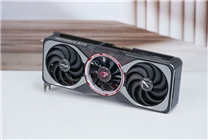
Recent disclosures indicate that NVIDIA is planning to refine its RTX 50 series lineup ahead of its 2026 launch. Specifically, there are indications that the company will scale back shipments of high-capacity models, such as the RTX 5060 Ti 16GB and RTX 5070 Ti. Instead, the focus will shift to making the RTX 5060 and RTX 5060 Ti 8GB models the flagship offerings in this series.
This pivot towards 8GB video memory options is largely a response to rising prices of video memory. As these costs surge, promoting models with 8GB of RAM has emerged as a viable strategy for NVIDIA to sustain shipment volumes and effectively manage the overall consumption of memory per graphics card. Thus, players may find themselves navigating a landscape where 8GB video memory once again establishes its position as the industry standard.
The current supply dynamics within the European and Japanese markets reflect this shift. Reports indicate a scarcity of RTX 5060 Ti 16GB and higher-capacity models, with RTX 5070 Ti and RTX 5080 frequently experiencing stock shortages. While these trends are evident, it is essential to note that this information remains speculative at this stage, and actual allocations may vary by region and distribution partnerships.
Looking forward, analysts anticipate that costs could continue to escalate through the second quarter of 2026. This potential increase in pricing pressures could further affect the RTX 50 series, complicating the purchasing landscape for consumers and retailers alike.
In conclusion, NVIDIA’s focus on 8GB video memory graphics cards represents a strategic pivot aimed at maintaining market relevance amidst rising demand and constricted supply chains. As the tech industry evolves and the significance of memory grows, gamers and professionals alike may need to adapt to these changing dynamics in the GPU market.