
The Surge in Memory Stick Prices: An Unexpected Market Phenomenon
Summary:
- Memory stick prices have skyrocketed by 300% in the past year, with 16GB sticks now exceeding 1,100 yuan.
- The demand for advanced AI applications has significantly driven this price increase.
- Experts predict ongoing price hikes in the memory market, projecting increases of up to 50% through early 2026.
Recent reports indicate a startling trend in the technology market: the price of memory sticks, often overshadowed by gold and other commodities, has surged remarkably. In an era where technological demands escalate at a rapid pace, a closer look reveals that these small components are now seen as vital hard currency, reflecting their increasing importance in computing and AI applications.
Unprecedented Price Surge
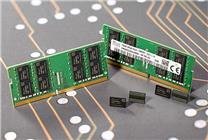
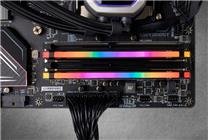
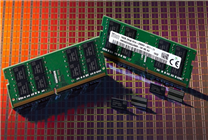
Investigations across major cities like Shanghai and Guiyang have uncovered that the price of memory sticks has spiked by an astounding 300% over the past year. A standard 16GB memory stick, once priced at around 300 yuan, now commands over 1,100 yuan. This trend isn’t isolated; other memory module specifications have also experienced similar price hikes, posing challenges for both consumers and businesses alike.
Factors Driving the Price Increase
The driving force behind this sharp rise can be attributed to the explosive growth in demand for high-performance computing systems, particularly in AI and data centers. As global investments in AI technologies reach unprecedented heights, the strain on the memory supply chain has intensified. Products like DDR4 and DDR5 memory have seen some of the highest price increases, doubling or even tripling their prices compared to last year.
Industry specialists, including Wang Xiaolong, a research director from a Shanghai research firm, suggest that the supply constraints are likely to linger in the short term. Current production capacities are stretched, and resolving these issues may take months, if not longer. As a result, stakeholders are bracing for ongoing shortages affecting the entire memory module market.
Current Market Dynamics
According to a recent report from an industry research organization, the memory market has entered a so-called "super bull" phase. Remarkably, current memory prices have even surpassed the historical highs observed in 2018. It is projected that prices will surge further, with an increase of 40%–50% expected in the fourth quarter of 2025 alone.
Experts at Counterpoint Research predict yet another price increase of the same proportion in early 2026, followed by an additional 20% rise in the ensuing quarter. This growth trajectory raises concerns among consumers and manufacturers alike about the sustainability of such rapid price escalations.
Implications for Consumers and Businesses
The repercussions of these price increases are far-reaching. For consumers, the elevated costs of memory modules may lead to higher prices for personal computing devices, gaming systems, and other consumer electronics. Businesses reliant on affordable component sourcing will likely face increased operational costs, which could be passed down to end users, thereby affecting market accessibility.
Furthermore, the tech industry’s vulnerability to memory supply shocks raises important questions about future production strategies. Companies may need to consider diversifying their supply chains or increasing stockpiles to mitigate the impacts of volatile memory prices.
Conclusion
The ascendance of memory sticks as critical commodities in today’s technology landscape is both remarkable and concerning. As prices continue to soar, driven primarily by an insatiable demand for advanced computing capabilities, the technology industry must adapt quickly to these changes. Whether this trend will stabilize or escalate further remains to be seen, but one fact stands irrefutable: memory sticks have evolved into an essential—if surprising—hard currency. Companies and consumers alike must navigate this dynamic landscape with strategic foresight to ensure sustained growth and innovation in the years to come.