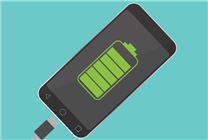

The Evolution of Mobile Battery Technology: Embracing High-Capacity Solutions
Summary:
- Starting in 2025, mobile phone battery capacities are set to rise significantly, leading the industry towards the era of 10,000mAh batteries.
- Traditional flash charging technologies, especially those over 100 watts, are being phased out in favor of higher battery capacities.
- Brands like Honor are pioneering the market with commercially available batteries exceeding 10,000mAh, addressing users’ battery life concerns.
In an exciting development for mobile technology, starting in 2025, consumers can anticipate a transformative shift in mobile phone battery capacities. The Honor WIN series has already set the pace with the introduction of the world’s first 10,000mAh battery, thus ushering in a new era for the mobile industry. This evolution signifies not just an increase in battery size but a rethinking of how we approach charging and battery longevity.
As the trend for ultra-high-capacity batteries gains momentum, one notable aspect is the decline of the once-dominant over-100-watt fast charging technology. Analysts, including prominent tech bloggers, have observed that manufacturers are now focusing efforts on developing larger batteries rather than maintaining the excessive charging speeds seen in previous models.
A Shift Towards Enhanced Battery Life
Recent advancements have made it evident that while brands like iQOO, REDMI, and Realme previously championed super-fast charging technologies—some featuring charging capabilities of up to 240W—these phones typically housed batteries with capacities below 5,000mAh. This limitation often left users facing the dilemma of battery anxiety, particularly in demanding usage scenarios.
The shift in focus from ultra-fast charging to high-capacity batteries is a strategic move to enhance user experience significantly. With larger batteries, users can expect extended periods between charges, thus alleviating the stress of daily battery management.
Technological Innovations Leading the Charge
One of the driving forces behind this evolution is the gradual integration of silicon-carbon anode battery technology. This innovation has allowed manufacturers to produce batteries with superior performance—paving the way for commercially available options exceeding 10,000mAh, as exemplified by Honor’s latest developments.
With increasing battery capacities, users will likely experience a fundamental change in how they use their devices. Longer-lasting batteries mean fewer interruptions for charging and greater freedom while on the go. As this technology continues to mature, its potential to reshape user habits should not be underestimated.
Industry Trends: Moving Away From Flash Charging
The previous trend of prioritizing flash charging capabilities is swiftly being overshadowed by the more pressing demand for larger battery capacities. As manufacturers focus on delivering batteries that can sustain longer usage times, the need for exceedingly rapid charging diminishes. This shift could result in a more balanced approach to power management in mobile devices.
The innovations in battery technology are not just about size; they also come with implications for device design. With more substantial power sources, designers can create sleeker, more functional devices without compromising on battery life. In addition, incorporating larger capacities may lead to changes in manufacturing strategies across the board.
The Future of Mobile Devices
As the mobile phone industry gravitates towards larger battery capacities, changing user preferences will dictate how devices are designed and marketed. No longer will the quickest charge time take precedence; instead, the focus may shift to how long devices can last on a single charge. This evolution reflects a growing recognition of users’ needs for reliability and convenience.
In conclusion, the transition to high-capacity mobile batteries marks a significant step forward for the industry. By prioritizing battery life over rapid charging, manufacturers are addressing a critical user concern and redefining the mobile experience. As we move towards 2025, the landscape of mobile technology promises to be both exciting and beneficial for consumers, marking a new chapter in the realm of batteries. As brands continue to innovate, the future looks bright for battery performance and longevity.
With this approach, the mobile industry is poised to usher in a new era characterized by increased efficiency and user satisfaction. The commitment to longer-lasting batteries not only addresses user anxiety but also aligns with contemporary demands for continuous, uninterrupted connectivity. As we advance, the pursuit of greater battery capacities will undoubtedly remain a key focus for leading manufacturers.