
NVIDIA’s H200 Graphics Card: Purchase Conditions and Market Insights
Key Takeaways:
- NVIDIA imposes strict purchasing conditions for the H200 graphics card, requiring full payment upfront with no options for refunds or changes.
- The anticipated shipment volume has been adjusted to between 40,000 to 80,000 units, significantly lower than earlier projections.
- The calculated sales before the Spring Festival are estimated to be between 7 billion to 15 billion yuan, indicating a comparatively modest market demand.
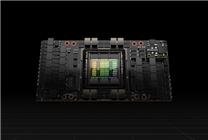
NVIDIA’s H200 graphics cards have officially entered the domestic market, but potential buyers may find the purchasing conditions challenging. The company announced that the H200 graphics card is available for sale, but buyers must navigate strict guidelines that could significantly affect their purchasing experience. This article explores the crucial requirements enforced by NVIDIA and the current state of the market for these high-demand products.
Strict Buying Conditions
NVIDIA has set a daunting requirement for customers looking to acquire the H200 graphics card: full payment must be made upfront. Once an order is placed, customers cannot cancel, request a refund, or modify their configuration. This policy appears to be a strategy to mitigate risks tied to potential policy changes by U.S. authorities, unilaterally shifting the burden onto domestic customers. Such provisions raise concerns about the implications for buyers if the products cannot be delivered as expected.
Forecasted Shipments and Market Demand
While earlier reports suggested that NVIDIA aimed to sell up to 2 million units of the H200 graphics card, recent insights indicate a more conservative shipment estimate. The company is now projected to deliver between 40,000 and 80,000 units prior to the Spring Festival. This adjustment speaks to ongoing complexities within the supply chain, as well as the heightened scrutiny surrounding international technology transactions.
Calculating from the set pricing structure, domestic sales leading up to the festival are expected to yield between 7 billion and 15 billion yuan. When compared to significant transactions in the industry, such as those required for major players like OpenAI—who might spend up to 50 billion USD for 1GW of computing power—it’s evident that NVIDIA’s H200 demand appears limited.
Implications for Buyers
For businesses considering investment in the H200 graphics cards, the upfront payment requirement can be a formidable hurdle. The inability to amend orders invites risks, particularly if the market conditions shift or if there are delays in product availability. Buyers will need to proceed with caution and thorough due diligence, weighing the benefits of acquiring cutting-edge technology against the stringent purchasing conditions.
Moreover, the financial implications of investing in these graphics cards are critical. With substantial amounts of capital tied up in orders that cannot be altered, companies must evaluate their operational needs and readiness for potential changes in the technology landscape.
Conclusion
The NVIDIA H200 graphics card is positioned as a state-of-the-art solution for AI training, fitting perfectly within a landscape hungry for innovation. However, prospective buyers must contend with rigid purchasing policies that place the onus of risk on them. As the company gears up for projected sales, understanding the market dynamics and buyer responsibilities is vital for those looking to secure these advanced capabilities. Companies and individual buyers alike should consider their strategies carefully, ensuring that their investments align with both current needs and future technological shifts.
In this ever-evolving market, staying informed and adaptable will be key to making the most of opportunities that arise in the field of advanced graphics technology.