
NVIDIA Decentralizes AI to RTX 30 Graphics Cards: Performance Boosts & Memory Efficiency
Summary
- NVIDIA announces upgrades for the RTX 30 series to combat rising memory prices.
- The new FP4 technology can improve performance by up to 360% while reducing video memory usage significantly.
- This strategic move aims to enhance the aging RTX 30 lineup while leveraging advanced AI capabilities.
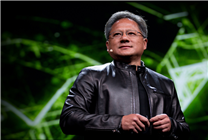
In light of soaring memory prices affecting both NVIDIA and AMD, NVIDIA has opted for a decentralized approach to its AI capabilities, specifically targeting the RTX 30 series graphics cards. Jen-Hsun Huang, CEO of NVIDIA, revealed at the recent CES conference plans to revitalize the RTX 30 lineup, with a particular focus on the popular RTX 3060.
The RTX 3060 has long been a favorite among gamers, holding a substantial market share on Steam for its competitive performance. Built on Samsung’s efficient 8nm process, the RTX 3060 has been cited for its capability to handle 1080p gaming effectively, although it may struggle under the demands of ultra-high settings in more recent gaming titles.
Leveraging AI Technology
In a remarkable pivot, Huang emphasized NVIDIA’s commitment to integrate AI technology into its older graphics card models. This ambitious initiative may involve significant engineering efforts, yet it holds considerable potential.
NVIDIA recently announced the introduction of NVFP4 support for its RTX graphics cards, including both the 40 and 30 series, a move that demonstrates their ongoing innovation in the field. The FP4 algorithm is expected to offer substantial performance enhancements compared to its predecessors, FP16 and FP8, while dramatically reducing memory consumption. Notably, FP4 can operate with just one-quarter of the memory required by FP16, all while maintaining near-equal computational accuracy.
Performance Enhancements
Tests conducted by NVIDIA illustrate the promising capabilities of the FP4 technology integrated into the RTX graphics cards. Results vary widely across different AI applications, with some experiencing performance boosts of 30-40%, while others have reported improvements as dramatic as 360%, particularly in applications like Qwen Image.
Beyond performance, FP4 technology significantly cuts down video memory requirements. For example, in various tests, memory usage plummeted from 23GB to 9GB in Flux.1, and from 87GB to 26GB in Flux.2. The Qwen Image application demonstrated similar reductions, with memory usage decreasing from 40GB to a mere 18GB. Overall, these advancements promise to reduce memory usage by half to two-thirds.
Implications for the Industry
This strategic pivot is not merely a response to market pressures but is indicative of NVIDIA’s broader vision for GPU technology. By revitalizing the RTX 30 series with cutting-edge AI capabilities, NVIDIA aims to retain its competitive edge in a rapidly changing market landscape, particularly as gamers and professionals seek more efficient hardware solutions.
The introduction of FP4 support exemplifies NVIDIA’s commitment to maximizing the potential of existing hardware. The graphical architectures of the RTX 30 and RTX 40 series are cleverly adapted to utilize this new technology, showcasing NVIDIA’s ability to innovate without solely relying on the release of next-generation products.
Conclusion
NVIDIA’s initiative to decentralize AI capabilities to the RTX 30 series graphics cards represents a significant step towards alleviating the ongoing challenges posed by rising memory prices. By integrating advanced FP4 technology, NVIDIA is effectively breathing new life into its older graphics cards, enhancing performance while simultaneously addressing memory constraints.
As the landscape for GPU technology evolves, NVIDIA’s innovative strategies and dedicated engineering efforts position them as a leader capable of not only meeting but exceeding user expectations. This move not only solidifies NVIDIA’s market presence but also paves the way for a more sustainable approach in an industry increasingly challenged by memory price fluctuations.
With NVIDIA’s commitment to continuous improvement, users can anticipate an exciting future characterized by enhanced capabilities and optimized performance across a broader range of graphics cards.