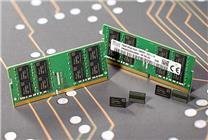

Memory Market Enters "Super Bull Market": Prices Set to Soar
Summary:
- The memory market is experiencing a "super bull market," surpassing 2018 highs.
- Prices for memory components are projected to jump by 40%-50% through early 2026.
- Rising prices are significantly impacting hardware manufacturers, especially in smartphones.
The latest insights from leading market research firm Counterpoint Research reveal that the memory market has officially entered a "super bull market" phase. This significant shift has led to prices surpassing those recorded during the historic highs of 2018. The surge is primarily driven by the escalating demand for artificial intelligence (AI) technologies and enhanced server capacities, leading suppliers to wield unprecedented bargaining power in negotiations.
Projected Price Increases
Data indicates that memory prices are anticipated to rise dramatically, with expectations for a 40%-50% increase in the fourth quarter of 2025. Counterpoint also forecasts a further escalation of 40%-50% in the first quarter of 2026, followed by an additional growth of around 20% in the subsequent quarter.
For specific products, the value of 64GB RDIMM memory has seen staggering growth, jumping from $255 in the third quarter of 2025 to $450 by the fourth quarter, with estimates suggesting prices could soar to $700 by March 2026. In an ambitious outlook, experts believe that reaching $1,000 for memory components this year is entirely plausible, an almost twofold increase from 2018 prices.
Impact on Hardware Manufacturers
The ongoing spike in memory prices is fundamentally reshaping the bill of materials (BoM) structure for hardware manufacturers. Taking the smartphone industry as a case in point, forecasted trends indicate that memory costs will account for over 10% of the BoM for the iPhone 17 Pro Max in 2025. This is a marked rise from the roughly 8% share attributed to the iPhone 12 Pro Max in 2020.
As flagship models increasingly incorporate 16GB–24GB of LPDDR5X memory and 512GB–1TB of UFS 4.0 storage, the total memory expense could account for 20% or more of the overall BoM, significantly impacting the pricing and competitiveness of new devices entering the market.
Market Dynamics and Future Outlook
With these shifts in pricing structure, hardware manufacturers must reconsider their strategies to adapt to the increasing costs tied to memory components. This change not only affects product pricing but also influences overall profitability margins in an already competitive landscape. Companies must now evaluate their supply chains and resource allocations to manage these surging costs effectively.
As the memory market continues to evolve, businesses must remain agile, ready to capitalize on emerging technologies that can offset rising expenses. This could involve investing in innovation around memory efficiency or exploring alternative materials to mitigate costs.
Conclusion
The entry of the memory market into a "super bull market" signifies a critical moment for all sectors relying on memory technology. Whether it’s smartphones, servers, or AI applications, the ongoing price escalations will reshape production costs, supply dynamics, and ultimately, consumer prices. Stakeholders need to remain vigilant and proactive as they navigate this rapidly changing landscape to ensure sustained growth and competitiveness in the market.
By closely monitoring developments and adapting strategies accordingly, businesses can convert challenges into opportunities in this extraordinary market climate.