
Unveiling the Serpent Lake Architecture: Intel and NVIDIA’s Aspirations in High-Performance Computing
- Introduction of Serpent Lake: Intel and NVIDIA collaborate on a new x86 chip targeting high-performance mini computers and gaming consoles.
- Key Features: The architecture utilizes Intel’s Titan Lake for CPUs and NVIDIA’s Rubin architecture for GPUs, alongside advanced memory configurations.
- Market Impact: This venture aims to challenge AMD’s offerings, particularly the Strix Halo product line, setting the stage for future innovation in powerful computing systems.
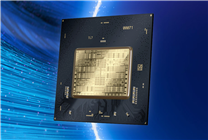
December 25, Kuai Technology News — The tech landscape is abuzz with the recent revelation of the Serpent Lake x86 chip, a product borne from the collaboration between tech giants Intel and NVIDIA. With a keen focus on high-performance applications, this innovative architecture is set to challenge super Accelerated Processing Units (APUs) such as AMD’s Strix Halo.
Sources indicate that the Serpent Lake project is more than just a combination of CPU and GPU; it is a harmonious integration of Intel’s and NVIDIA’s cutting-edge technologies. The CPU component is expected to feature Intel’s Titan Lake architecture, designed to succeed the previously popular Nova Lake. On the GPU front, NVIDIA is anticipated to incorporate its next-generation Rubin architecture, which follows the existing Blackwell framework. This dual architecture promises to seamlessly enhance computational speed and graphical performance.
One of the standout features of the Serpent Lake architecture is its advanced memory configuration. It is set to include 16x LPDDR6 high-bandwidth memory, which is crucial for handling demanding applications. Notably, the memory design aims to be packaged adjacent to the processor, allowing for optimized thermal management and performance enhancements.
The production of Serpent Lake is expected to leverage TSMC’s advanced N3P process technology, which is renowned for its efficiency and performance reliability. This choice of manufacturing process is particularly strategic, as it will facilitate the creation of compact and powerful computing solutions.
The target market for Serpent Lake is distinctly defined: high-end mini computers, performance-centric notebooks, and portable gaming consoles. These devices cater to demanding users who prioritize graphical performance without the physical constraints of traditional graphics card installations. The Serpent Lake architecture is designed to meet these specifications, delivering high performance in smaller form factors.
While official confirmation from Intel and NVIDIA regarding the Serpent Lake initiative is still pending, the tech industry is witnessing a flurry of activity surrounding this project. NVIDIA’s substantial prior investments and the collaborative technical frameworks outlined between the two companies suggest a strong commitment to revolutionizing the x86 platform. If realized, the potential success of Serpent Lake could reshape the competitive landscape, particularly against AMD’s Strix Halo and its forthcoming Medusa Halo products.
As the tech community eagerly awaits further announcements, the implications of the Serpent Lake project extend beyond just improved hardware capabilities. It signifies a broader trend towards integrated systems that balance power and efficiency, shaping the future of high-performance computing.
In conclusion, the Serpent Lake architecture represents a promising development in the tech world, demonstrating the innovative spirit of collaboration between two industry leaders, Intel and NVIDIA. With its focus on high-performance requirements and advanced technological integration, this new x86 chip could set a new standard in computing solutions targeted at gamers and professionals alike.