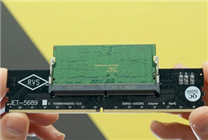

Cost-Effective Upgrade: Using SO-DIMM Memory in Desktop Systems
Summary:
- DIY Memory Solutions: By utilizing SO-DIMM to DIMM adapter cards, users can install affordable notebook memory onto desktop motherboards.
- Performance Insights: Tests reveal that DDR5-4800 can achieve performance levels comparable to DDR5-6000, with minimal impact on gaming.
- Cost Savings: Users can save 30-40% by opting for notebook RAM over traditional desktop modules.
As DDR5 memory prices continue to rise, budget-conscious gamers and DIY enthusiasts are seeking innovative solutions to cut costs while maintaining performance. One notably accessible option has emerged: the use of SO-DIMM to DIMM adapter cards, which enable users to install low-cost notebook memory into desktop systems.
Simplifying Upgrades
The traditional approach of manually soldering memory components carries a significant risk and complexity. In contrast, this new adapter solution streamlines the process. Users simply need to purchase an adapter card, insert the notebook DDR5 memory, and connect it to the desktop’s memory slots. This straightforward method eliminates the risks associated with circuit modification and provides a seamless alternative for those looking to extend their system’s capabilities.
Extensive testing by Hardware Canucks across popular platforms, including AMD Ryzen 7000/9000 and Intel LGA1700/1851, confirms the reliability of this approach.
Performance Analysis
Testing results indicate that DDR5-4800 operates reliably with the adapter. Moreover, through manual adjustments, users can achieve performance levels approaching that of standard desktop DDR5-6000 specifications. In practical scenarios, such as 1080p gaming, the difference in frame rates between these two memory configurations is negligible, allowing users to enjoy high-quality gameplay without needing to invest in more expensive options.
Cost-Effectiveness of Notebook Memory
For those who already possess spare notebook memory or can source disassembled strips at a lower price, this solution offers significant financial advantages. Although the prices of notebook DDR5 have increased alongside their desktop counterparts, they remain considerably more affordable. For example, users can expect to save approximately 30-40% when opting for a 16GB notebook module, even when factoring in the cost of the adapter card.
Potential Limitations
While this memory upgrade method presents numerous benefits, there are limitations to consider. The additional height introduced by the riser card can pose compatibility issues with certain tower coolers or compact ITX cases. Additionally, users may encounter scenarios where systems default to operating memory at lower speeds upon startup, necessitating manual adjustments to optimize performance.
Conclusion
The introduction of SO-DIMM to DIMM adapter cards marks a pivotal moment for budget-conscious gamers and tech enthusiasts alike. By leveraging this solution, users can efficiently upgrade their desktop systems with affordable notebook memory, thereby enhancing performance without incurring significant costs. While there are certain compatibility challenges to navigate, the overall advantages make this approach a valuable consideration for anyone looking to maximize their gaming or computing experience. Embrace this innovative solution and unlock the potential of your desktop with a cost-effective memory upgrade.