
Linux 7.0 to Remove Support for AMD’s NPU2 Hardware
Key Points:
- Linux Kernel Update: Linux 7.0 will eliminate support for AMD’s obsolete NPU2 hardware.
- No Impact on AI Resources: The removal of NPU2 does not signify a reduction in AMD’s commitment to supporting AI-related technologies.
- Future Support: Current Ryzen processors will continue to benefit from ongoing AI support.
The upcoming release of Linux 7.0 is set to make significant changes, including the removal of support for AMD’s NPU2 hardware. This decision comes as part of a broader effort by the Linux community to streamline kernel support and eliminate obsolete components that no longer fulfill practical applications.
Changes in Hardware Support
Historically, several years ago, AMD’s chips featured designs focusing on Neural Processing Units (NPUs). However, with the transition to modern architectures and design principles, the relevance of NPU2 has dwindled. The recent AMDXDNA open-source driver patch, released by AMD engineer Lizhi Hou, explicitly dropped support for NPU2, citing its lack of deployment and relevance in contemporary tech applications.
This decision also affects other NPUs developed by AMD, including NPU1, NPU3, and beyond. Interestingly, while NPU3 has also not been integrated into any existing products, it remains outside of AMDXDNA driver support. The removal underscores AMD’s strategic pivot towards more viable technologies, which are actively adopted in the market.
Clarification on AI Support
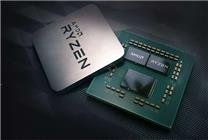
It’s important to clarify that this hardware removal should not be misconstrued as AMD stepping back from AI integration within the Linux ecosystem. Notably, the NPU2’s removal is not linked to the XDNA2 technology utilized in current Ryzen processors. The latter offers extensive support in AI applications, particularly with the Ryzen AI 300 series.
AMD’s commitment to AI technologies remains robust, ensuring that developers and users alike continue to receive support for advanced computing applications, even as outdated hardware components are phased out. This shift aligns with broader industry trends, emphasizing the importance of keeping software support in sync with active innovations.
Conclusion: The Future of Linux and AMD
As the Linux community prepares for its transition to version 7.0, users can expect a more streamlined experience free from legacy hardware struggles. The removal of NPU2 illustrates a proactive move towards optimizing kernel performance and enhancing overall user experience while maintaining a solid foundation for future AI developments. Users should remain confident in AMD’s ongoing commitment to leveraging AI technologies across their product lines, ensuring that their hardware continues to meet the needs of modern applications.
In summary, the elimination of unutilized hardware support in Linux 7.0 not only simplifies the kernel but also exemplifies the industry’s constant evolution towards innovation. As technology continues to advance, staying aligned with viable components will be essential for driving the next generation of computing solutions.