
Micron’s Strategic Shift: Abandoning Consumer Market to Focus on High-Demand Sectors
Summary:
- Micron Technology has announced its exit from the consumer storage market, particularly affecting its Crucial brand.
- The company’s financial achievements have outstripped expectations, marking a pivotal moment in the U.S. semiconductor industry.
- This transition towards enterprise markets may lead to rising storage prices, impacting consumer electronics costs.
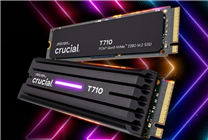
In a significant move that has sent ripples through the technology sector, Micron Technology has officially abandoned its consumer storage brand, Crucial, after a long-standing presence of 29 years. Many industry analysts are expressing mixed feelings, recognizing the strategic nature of this decision given the current market dynamics.
Financial Gains and Market Realities
Micron’s recent financial disclosures have been nothing short of spectacular. The company’s revenue report has been labeled by U.S. analysts as a benchmark in the semiconductor industry, second only to NVIDIA. Expectations for revenue in the second quarter of 2026 have surged to approximately $18.7 billion, vastly overtaking Wall Street’s estimates of $14.23 billion. This substantial financial performance underscores Micron’s decision to shift focus from consumer products to more lucrative enterprise markets.
The CEO of Micron has made clear that the demand for their products far exceeds supply, stating, "We have long been sold out of supply. There is still a large amount of unmet demand." Such statements illuminate the potential for growth as the company targets enterprise solutions, especially in areas like artificial intelligence infrastructure, which have proven to be profitable and faster-growing than traditional consumer sectors.
Vision for the Future: From Consumer to Enterprise
Micron’s pivot away from consumer markets positions it strategically in high-demand segments such as High Bandwidth Memory (HBM). The lucrative nature of enterprise markets offers companies like Micron lucrative opportunities compared to the more competitive consumer space. As organizations increasingly seek robust storage solutions to support data-intensive applications, Micron is poised to leverage its resources effectively, ensuring sustained profitability.
The company’s current operating cash flow stands at an impressive $8.41 billion, while product gross margins are projected to reach a staggering 68%. Such financial strength equips Micron to explore newer, more profitable avenues while freeing up production capacities previously dedicated to consumer products.
Market Implications: Rising Costs Ahead
While Micron’s strategic changes may bring about enhanced profits for the company, a worrying trend is emerging — the potential escalation of storage prices. As the demand for high-performance memory solutions rises, consumers can expect to see increased prices for related products, including PCs and mobile devices. This upward trend in pricing reflects broader market dynamics where high demand consistently outstrips supply.
Analysts and consumers alike must keep an eye on this evolving situation. The repercussions of Micron’s strategic pivot may reach far beyond their financial reports, influencing market prices and consumer access to technology.
Conclusion: A Turning Point for Micron
Micron’s decision to withdraw from the consumer market signifies a broader trend in the semiconductor industry, where companies are consolidating resources to focus on high-demand sectors. The impressive financial results reflect a strong company poised to capitalize on emerging technologies. However, consumers may bear the brunt of increased prices as the company reallocates its production towards more lucrative areas.
In this rapidly changing landscape, Micron’s strategy may serve as a blueprint for other technology companies looking to adapt and thrive in an increasingly competitive environment. As the demand for advanced semiconductor solutions grows, it will be crucial for industry players to keep pace with market changes to maintain profitability while balancing consumer affordability.