
Cost Analysis of NVIDIA’s B200 Graphics Card: A Deep Dive into AI Technology
Key Takeaways:
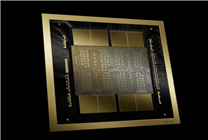
- The B200 graphics card, leveraging advanced technology, primarily consists of two GB100 cores and is manufactured using TSMC’s 4NP process.
- Approximately half of the B200’s production cost is attributed to the high-bandwidth memory (HBM3e), underscoring the importance of memory in performance and pricing.
- NVIDIA enjoys substantial profit margins, with market prices for the B200 ranging from $30,000 to $40,000.
NVIDIA’s B200 graphics card has positioned itself as a key player in the realm of artificial intelligence, overshadowing its predecessor, the H200. Built upon TSMC’s cutting-edge 4NP manufacturing process and equipped with two GB100 cores, the B200 sets a new standard for performance in AI-driven applications.
Understanding the Cost Breakdown
EPOCH.AI recently performed a detailed cost analysis of the B200 graphics card, offering insights that highlight both its innovative technology and the financial implications associated with production.
Core Components
-
Logic Core:
- The GPU logic core is expected to cost between $720 and $1,200, with an average estimated price of around $900. This component serves as the foundational driving force of the card’s processing capabilities.
-
Packaging Costs:
- The packaging of the graphics card incurs expenses that range from $1,000 to $1,200, averaging $1,100. Additional overhead like packaging loss and auxiliary costs pushes overall packaging fees to about $1,580.
- High-Bandwidth Memory (HBM3e):
- One of the most significant factors in the B200’s cost is its 192GB HBM3e memory, which is priced between $2,800 and $3,100. The average cost for this crucial memory component is about $2,900, underscoring its vital role in the overall performance of the graphics card.
Total Material Costs
When aggregated, the total material costs for the B200 graphics card fall in the range of $5,700 to $7,300, averaging around $6,400. A notable observation is that nearly 50% of this cost stems from the HBM3e memory module, which is pricier than the GPU logic core itself. This reliance on high-end memory technologies has sparked NVIDIA’s interest in developing their own foundational HBM to mitigate costs effectively.
Market Trends and Profit Margins
The dramatic rise in DRAM prices indicates a trend where HBM3e and anticipated HBM4 memory costs are likely to soar in the coming year. As AI applications continue to demand more substantial memory capabilities—potentially exceeding 300-400GB—the cost ratios are expected to shift accordingly.
Despite these rising costs, NVIDIA’s profitability remains robust, with B200 graphics cards commanding market prices between $30,000 and $40,000. This yields gross profit margins close to 80%, and in some extreme cases, approaching 90%. The impressive profit trajectory of NVIDIA over the last couple of years underscores the increasing demand for AI technology.
Beyond Individual GPU Sales
NVIDIA’s business model extends beyond mere GPU sales; it focuses on providing comprehensive solutions. Often sold as part of a complete system—including eight or more AI graphics cards and various networking components—NVIDIA’s offerings are designed to appeal to enterprise-level clients. While the profit margins on entire systems may not be as astronomical as those of individual GPUs, the sheer volume of sales contributes significantly to NVIDIA’s growing bottom line.
Conclusion
The B200 graphics card epitomizes the cutting-edge technology propelling AI advancements today. With meticulous attention to the cost structures of its components, it becomes clear why NVIDIA maintains such a formidable market position. As demand for AI solutions accelerates, ongoing investment in memory technology will be critical for maintaining competitive advantage and ensuring healthy profit margins. The B200 is not just a graphics card; it’s a cornerstone of future AI innovation.
This analysis underscores the intricate economics of advanced GPU technology, inviting industry stakeholders to both appreciate and critically evaluate the financial landscape of AI-driven components.