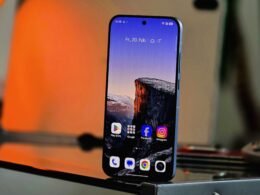

Doubao Mobile Phone: A Game Changer in AI Technology
Summary:
- The Doubao mobile phone has quickly become a hot topic in the tech community, thanks to its innovative features.
- Its unique mobile assistant integrates seamlessly across applications, setting a new standard for AI in mobile technology.
- Industry reactions reflect both admiration and a sense of competition, particularly from traditional players like Meizu Technology.
On December 1, the technology world was buzzing following the launch of the Doubao mobile phone, which has rapidly gained attention and sparked enthusiastic discussions among tech enthusiasts and industry professionals alike. The initial batch of devices sold out almost immediately, demonstrating significant consumer interest. At the heart of this excitement lies the deeply integrated Doubao mobile assistant, which employs system-level permissions to execute complex, cross-application automated tasks. These functionalities include everything from ordering food to booking air travel, marking a pivotal moment for AI agents aiming to disrupt the conventional app ecosystem.
In a notable response to this burgeoning trend, Meizu Technology took to its official Weibo account to express interest in collaborating with Doubao mobile phones. They congratulated the company on the successful launch of a technical preview version, acknowledging its innovation in AI-driven mobile technology. Meizu’s excitement highlights the potential for cooperation to create superior AI-equipped mobile devices that could reshape user experiences.
Li Nan, founder of Numiao Technology and a former senior vice president at Meizu, shared his reflections on the Doubao phenomenon. He humorously articulated a sense of helplessness in witnessing the newfound popularity of the Doubao mobile phone, alongside Meizu’s keen interest in it. During his tenure at Meizu, Li worked diligently to open up the mobile operating system to giants like Alibaba and Toutiao, hoping to enable their advanced models on Meizu’s platform. Unfortunately, these efforts did not yield the desired results.
Li’s past experiences paint a picture of the challenges faced when collaborating with major tech players. He recounted instances where discussions to integrate services required lengthy meetings and often led to contentious debates. Li noted, “Alibaba invested 600 million dollars, and we found ourselves competing against them for operational rights.” He questioned why leading model companies would invest in a system that wasn’t adequately open.
Reflecting on his experiences, Li expressed regret over not understanding the implications of these decisions earlier. “If we had known what would unfold today, we would have acted differently,” he remarked. This sentiment underscores the competitive dynamics within the tech industry, where decision-making can significantly influence a company’s trajectory and engagement opportunities.
The Doubao mobile phone’s rise symbolizes a broader shift in the tech landscape. It highlights consumers’ evolving expectations—demanding more seamless and integrated experiences—and urges established players to adapt or risk obsolescence. For instance, traditional app ecosystems may need to rethink how they operate in a world where AI-driven solutions can potentially streamline processes, offering users unparalleled convenience and efficiency.
The success of Doubao can also be linked to the increasing public interest and investment in artificial intelligence technologies. As users become more familiar with AI applications in their daily lives, the demand for comprehensive solutions that facilitate everyday activities is only expected to grow. This trend presents opportunities for companies that can effectively integrate AI capabilities into their products.
As the market watches closely, the implications of the Doubao mobile phone’s launch extend far beyond its immediate commercial success. It highlights the importance of adaptability and innovation in a rapidly evolving technology landscape, and signals a challenge to conventional business models that may not align with contemporary consumer expectations.
In summary, the introduction of the Doubao mobile phone signifies a notable evolution in the mobile technology sector, setting new benchmarks for AI integration. Responses from competitors like Meizu reflect the urgency for established brands to innovate and collaborate to remain relevant in this changing environment. As the industry continues to evolve, the landscape will undoubtedly be shaped by the ongoing interplay of technological innovation and user demands.
As Doubao moves forward, it must navigate a competitive environment that constantly pushes the boundaries of what’s possible, while striving to maintain the quality and integrity that have set it apart from its competitors. The future trajectory of Doubao—and the broader implications for AI in technology—promises to be both intriguing and transformative.