
ASML’s Export Challenges: The Rising Concerns Over DUV Lithography Machines in China
Summary:
- ASML faces significant restrictions on exporting both advanced EUV and DUV lithography machines to China, raising national security concerns.
- The sale of DUV machines to state-owned enterprises, particularly in military and aerospace, has attracted scrutiny.
- Analysts worry that even "old technology" may contribute to advancements in military technology.
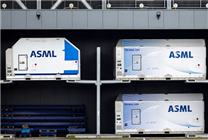
The landscape of international technology export has taken a complex turn, particularly for ASML, a leading semiconductor equipment manufacturer. Recent reports indicate that the company is experiencing heightened restrictions not just on its sophisticated Extreme Ultraviolet (EUV) lithography machines but also on its less advanced Deep Ultraviolet (DUV) systems destined for China.
Growing Apprehensions Over DUV Machine Exports
According to Dutch national broadcaster NOS, ASML has stated that their products sold to Chinese semiconductor firms are "old technology" that cannot facilitate the production of advanced chips. However, this claim has not quelled analyst concerns. They fear that these machines could still be utilized in the development of military technologies, raising alarming questions about national security implications.
A subsidiary of the China Electronics Technology Group (CETC) has reportedly made a purchase of an ASML DUV lithography machine. While such transactions were previously considered standard, the involvement of state-owned enterprises, particularly those connected to China’s military sector, has drawn significant media attention. Industry experts have voiced concerns over CETC’s role as a core player in military technology, including production capabilities for drones and aerospace equipment.
Nation’s Security Influence on Technology Trade
Additionally, reports indicate that ASML’s DUV lithography machine systems have been supplied to the Shenzhen International Quantum Research Institute. This has raised alarms within the Dutch Military Intelligence and Security Agency, which has issued warnings regarding advancements in China’s quantum technology sector. National security concerns are further augmented by the existing geopolitical climate and the implications of technological transfer.
While ASML acknowledges the basic technical limitations of its DUV machines—specifically, that they only achieve a resolution of approximately 38nm and are unsuitable for advanced processes—the burgeoning fears regarding China’s technological progress continue to dominate discussions. The Netherlands government remains cautious, reflecting a broader international trepidation about the transfer of critical technology.
ASML’s Position and Future Direction
In light of these developments, ASML has refrained from making comments about specific sales to clients, reiterating its stance that transactions with Chinese companies involve non-cutting-edge technology. The company emphasized the challenge of determining which Chinese chip manufacturers may warrant export controls—asserting that the responsibility for such judgments rests with national governments.
This position underscores a growing trend in the tech industry where manufacturers are caught between national interests and global market demands. The complexities of determining which technologies can be safely shared with foreign entities remain significant, and the stakes have never been higher.
Conclusion
The ongoing restrictions surrounding ASML’s DUV lithography machines serve as a reminder of the intricate relationships between technology, trade, and national security. As both America and its allies navigate the waters of technological diplomacy, the implications of this landscape will linger, shaping the future of semiconductor manufacturing and international relations.
With technological advancements closely tied to military capabilities, the discourse around these exports will likely continue to evolve, making it imperative for industry stakeholders to remain vigilant. As nations work to protect their interests while aiming to foster innovation, the delicate balance between commerce and security becomes increasingly crucial.
In sum, the situation surrounding ASML’s lithography machine exports to China illustrates a broader narrative of tension within technology markets, entwined with significant national and international implications.