
### Summary
– Memory and flash memory chip prices have surged over three times since the end of September, severely impacting PC manufacturers and consumers.
– The cost of memory now accounts for over 20% of production expenses, leading to compressed profit margins for PC manufacturers.
– Companies are increasingly raising product prices, which risks further slowing down an already sluggish PC market.
—
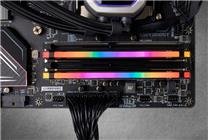
In recent months, the technology sector has seen a dramatic surge in the prices of memory and flash memory chips, which have escalated by more than three times since late September. This steep increase translates to direct implications for both consumers and PC manufacturers, with price hikes of memory sticks and SSD hard drives ranging between 1-3 times.
### Escalating Costs and Their Impact
This inflation in memory costs is not driven by heightened demand for PCs; rather, manufacturers and consumers alike find themselves disproportionately affected by these fluctuations. As a result, individuals looking to upgrade or install new components may observe a surge in costs, with potential increases ranging from one to two thousand yuan—sufficient to cover a more premium graphics card.
For PC manufacturers, these escalating prices represent a significant challenge, squeezing their profit margins to uncomfortable levels. Recent insights have indicated that shipments of PC products in October were already at a loss even before reaching consumers. The rising cost ratio attributed to memory and SSDs is an important factor here; historically, costs constituted roughly 10-18% of production expenses, but they can now easily surpass 20%.
### Future Forecast and Financial Consequences
Analysts from Wedbush have analyzed the implications of these price fluctuations on profit margins. Predictions suggest that memory contract prices may soar by over 30% in the fourth quarter of 2025, with flash memory prices not far behind, expected to increase by at least 20%. This trend could further escalate into 2026.
The breakdown is stark: a 27.5% price increase in memory translates to a 5.5% increase in the cost of goods sold, which in turn compresses the gross profit margins for PC manufacturers by 3% to 4.4%. Notably, current increases already exceed the 27.5% figure, underscoring the urgency of this situation. The anticipated continuation of price hikes will likely press further on the profits of PC manufacturers.
### Manufacturer Strategies and Market Repercussions
Faced with such significant cost increases, PC manufacturers find themselves at a crossroads. Absorbing these additional costs internally is not a viable option; thus, raising the prices of their end products has become a necessity. Companies such as Dell are already implementing price increases of about 20%. However, this strategy carries its own risks. With market demand for PCs already tepid, further price hikes could deeply affect shipment volumes, creating a challenging dilemma for manufacturers.
### Conclusion
The current surge in memory and flash memory prices is a complex issue that reverberates through the PC manufacturing industry. As companies grapple with rising costs and attempt to adapt, the ultimate impact on consumers and market dynamics remains to be seen. Despite the critical need for price adjustments, sustained increases may further inhibit consumer purchasing behaviors, leading to potential stagnation in the already struggling PC market.
As the technology sector continues to evolve, stakeholders must navigate these challenges with strategic foresight to mitigate the repercussions of skyrocketing component prices.