
Benchmark Breakthrough: Intel’s Ruixuan B390 Surpasses Rivals
Summary:
- The upcoming Intel Ruixuan B390, featuring the Core Ultra 300 series processor, shows significant performance boosts in recent benchmarks.
- With 12 Xe3 cores, it achieves 9453 points in PassMark tests, marking an 83% improvement over its predecessor.
- Competing against AMD’s Radeon 890M, the B390 delivers a 16% performance advantage and approaches entry-level dedicated graphics capabilities.
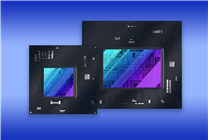
As the release date for Intel’s next-generation Panther Lake processor approaches, excitement is building in the tech community. Recent benchmark tests for the Intel Ruixuan B390, powered by the Core Ultra 300 series processor, reveal impressive results that showcase its potential to outperform competitors.
The Ruixuan B390 is engineered around Intel’s latest Xe3 graphics architecture and features an impressive configuration with 12 Xe cores. In a recent PassMark graphics test, it achieved a remarkable score of 9453 points. This performance milestone represents a significant leap forward, showcasing an 83% improvement over the previous generation Arc 140V, which housed only 8 Xe2 cores. Additionally, compared to the Arc 140T with 8 Xe+ cores, the performance enhancement stands at 67%, and it offers a striking 50% improvement over the Arc A380 dedicated graphics card.
Competing Against the Best
In head-to-head comparisons, the Ruixuan B390 stands out against the AMD Radeon 890M, which is currently regarded as one of the fastest integrated displays available in the standard "Strix Point" 28-45W power range. The B390 exhibits a 16% lead in performance over this formidable rival, positioning it as a strong contender in the graphics processing market.
Moreover, the B390’s performance aligns with some entry-level dedicated graphics cards, such as the Radeon 7600M. Although there remains a performance gap when compared to offerings like the RTX 3050, the capabilities of the Radeon B390 present a valid challenge for entry-level dedicated solutions. This is especially relevant when considering it supports features such as the latest XeSS 3 MFG technology, enhancing overall graphics performance.
Understated Performance?
It is critical to note that current benchmarks may not fully capture the potential of Intel’s Xe2 architecture. Historical data indicates that the performance of the Arc 140V often matches that of the Radeon 890M in real-world gaming scenarios, suggesting that the PassMark testing conditions may not be entirely favorable for older GPUs, while the newer Xe3 architecture shows superior performance.
As Intel prepares for the launch of the Ruixuan B390, these benchmarks reveal a promising future for the company’s integrated graphics solutions. With advancements in technology and significant performance gains, the B390 not only elevates Intel’s standing in the competitive landscape but also signals a noteworthy shift toward enhanced gaming and graphical experiences for consumers.
For enthusiasts and professionals alike, the Ruixuan B390’s capabilities herald a new era of integrated graphics performance, merging efficiency with powerful output, and challenging established norms in the market. As we await its release, the potential for this advanced technology raises anticipation and excitement within the field of artificial intelligence and gaming.
Stay tuned for more updates on Intel’s progress and further technological advancements that promise to redefine user experiences in computing and entertainment.
This editorial captures the essence of Intel’s Ruixuan B390 benchmarks while optimizing for search engines and enhancing readability for a broad audience.