
Summary
- The Doubao Assistant mobile phone has quickly sold out post-launch, priced at 3,499 yuan.
- Second-hand platforms are seeing it listed at inflated prices, with some rentals reaching 600 yuan per day.
- This innovative phone integrates AI to understand natural language commands, streamlining app interactions.
Doubao Assistant Mobile Phone: A Revolutionary Launch
On December 4, Kuai Technology reported the soaring popularity of the newly launched Doubao Assistant mobile phone, which sold out immediately upon release. Priced at 3,499 yuan, this device represents a significant leap in mobile technology, marking the first collaboration between ByteDance’s AI assistant, Doubao, and ZTE.
Market Response and Rental Trends
The response to the Doubao Assistant has been overwhelmingly positive. On second-hand trading platforms, the device is fetching a premium, with some sellers asking for as much as 7,999 yuan. In an intriguing development, a rental market has also emerged: sellers on platforms like Xianyu are offering the phone for rental at 600 yuan per day. Customers can decide the rental duration and must pay a deposit, which is fully refunded upon return.
Unique Features of the Doubao Assistant
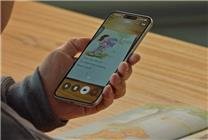
What sets the Doubao Assistant apart from its competitors is its advanced AI capabilities. Unlike traditional smartphones, this device is designed to comprehend natural language instructions, allowing it to execute complex tasks that typically require multiple app interactions. For instance, a user could instruct the phone to, “Compare the price of KFC spicy chicken drumsticks on JD.com, Meituan Waimai, and Taobao, and order from the cheapest option.” The Doubao Assistant automatically opens the relevant applications, compares prices, and places the order, requiring only manual payment confirmation.
Bridging Digital and Physical Realms
Experts in the industry are confident that the Doubao Assistant will spearhead a new era of seamless digital interaction. It aims to act as a universal agent bridging the gap between digital and physical experiences. The true innovation lies in its ability to relieve users from the hassle of navigating multiple apps. By merely issuing natural language commands, users can delegate tasks to Doubao, which can autonomously manage applications and execute commands efficiently. This holistic approach could redefine how users interact with technology.
Conclusion
The Doubao Assistant’s rapid sell-out and elevated second-hand pricing reflect the growing demand for advanced, user-friendly technology. As more consumers embrace AI-integrated devices, the Doubao Assistant could well set a new benchmark in smartphone functionality and convenience. With its unique features and innovative approach to task management, it is not merely a phone—it represents a significant stride toward the future of mobile technology.