Summary
- Intel’s Entry into Apple’s M-Series: Analyst Ming-Chi Kuo reports that Intel is expected to start shipping the entry-level processors of Apple’s M series by 2027, marking a significant collaboration.
- Supply Chain Dynamics: While Apple continues to depend heavily on TSMC’s advanced manufacturing processes, diversifying its supplier base is crucial for effective supply chain management.
- Intel’s Strategic Shift: Securing Apple as a client could signal a positive turnaround for Intel’s Integrated Foundry Services (IFS) amid ongoing competition with TSMC.
Apple Collaborates with Intel for Future M-Series Processors
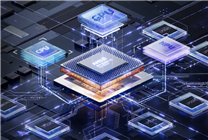
In a notable announcement from industry analyst Ming-Chi Kuo, it has been revealed that Intel may begin shipping entry-level processors for Apple’s M series as early as 2027. This development signals a new chapter in Apple’s processor manufacturing, diverging from its exclusive reliance on TSMC, which has been the primary supplier for Apple’s M-series chips designed on ARM architecture.
Potential Impact on Future MacBooks
If the forecasts hold true, Apple could utilize Intel’s M6 or M7 chips in upcoming iterations of the MacBook Air. Historically, Intel’s chips have been based on x86 architecture, offering a stark contrast to the ARM architecture of Apple’s M-series processors. This shift could enhance the performance and diversity of Apple’s product lineup, catering to both high-performance and budget-conscious consumers.
Intel’s anticipated release of the low-end M processors will depend on the timely progression of key simulation and research projects, notably those associated with advanced manufacturing processes. Currently, Apple is awaiting PDK 1.0 and 1.1, which Intel is expected to unveil in the first quarter of 2026. The timeline for shipping the entry-level M processor will hinge on Intel’s successful navigation through this development phase.
Shipping Projections and the Market Landscape
According to Kuo, Apple’s entry-level M chips are primarily designed for the MacBook Air and iPad Pro, with estimated shipments of around 20 million units in 2025. The launch of new MacBook models in 2026 is likely to influence demand for Intel’s low-end processors, potentially resulting in shipments of 15 to 20 million units in both 2026 and 2027.
While the number of orders for Intel’s low-end processors may be relatively modest, Kuo has indicated that this collaboration will not disrupt TSMC’s business fundamentals or competitive edge in the short to medium term. Nevertheless, the partnership carries substantial significance for both companies’ strategic advancements in an evolving technology landscape.
Broader Implications for Supply Chain Management
For Apple, working with Intel aligns with its commitment to enhancing domestic manufacturing capabilities, a priority underscored by the U.S. government’s "Made in America" initiative. Although Apple will continue to heavily depend on TSMC’s advanced processes, this recent collaboration underscores the necessity of diversifying supply chain sources to mitigate potential risks.
From Intel’s perspective, securing orders from Apple serves a dual purpose: it is a significant milestone that surpasses immediate revenue contributions. It represents a crucial step in reversing the challenges faced by Intel’s Integrated Foundry Services. Looking ahead, Intel’s future might hold increased demand for more advanced processing orders as they aim to regain competitiveness against TSMC.
Conclusion: The Future of Apple and Intel
As Apple and Intel embark on this new partnership, the tech industry watches closely for developments that could redefine market dynamics in chip manufacturing. The potential for Intel to gain a foothold in Apple’s processor supply chain could herald a positive change for both companies, paving the way for innovation and increased competitiveness against existing industry leaders.
This collaboration not only illustrates the evolving strategies within the semiconductor industry but also highlights the importance of adaptability and innovation in meeting market demands. As we approach the mid-2020s, the successful execution of these initiatives could significantly impact the technological landscape and influence consumer choice in the years to come.