
The Shift in Smartphone Trends: Why Thin and Light Isn’t Always Better
Summary:
- The 2025 smartphone market trend emphasizes ultra-thin designs, yet user experiences reveal a different story.
- While Apple’s iPhone Air struggled, Huawei’s Mate 70 Air emerged as a market leader, prioritizing user practicality over mere aesthetics.
- A comprehensive evaluation shows that performance, functionality, and consumer needs overshadowed the allure of slender devices.
In 2025, a distinct trend emerged within the smartphone industry: the chase for ultra-thin and lightweight designs. Renowned brands like Apple, Samsung, and Huawei introduced models such as the iPhone Air, Galaxy S25 Edge, and Mate 70 Air, each boasting innovative aesthetics aimed at captivating consumers. However, the resulting market feedback proved surprising and counter-intuitive, revealing the complex interplay between design and functionality.
A Comparison of Design and Practicality
iPhone Air: A Fragile Illusion
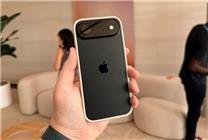
The iPhone Air, with its sleek 5.6mm aluminum alloy frame and glass back, presents itself as the poster child of the thin and light trend. However, while it captures attention visually, the reality of user experience tells a different story. The trend towards ultra-thin devices often leads to the sacrifice of essential features, such as battery life. Users typically resort to protective cases, negating the design’s advantages and pushing the device’s thickness beyond 8mm.
Galaxy S25 Edge: A Compromised Design
Samsung’s Galaxy S25 Edge, featuring a slightly thicker 5.8mm profile, offers a metal frame but struggles to compete with the iPhone Air’s image. Despite a marginally better performance due to a 3900mAh battery, it still falls short of consumer expectations for flagship devices, signaling a need to reevaluate priorities.
Huawei Mate 70 Air: The Balanced Champion
In stark contrast, the Mate 70 Air stands out at 6.6mm, weighing 208g, while offering a robust 6500mAh battery that far exceeds both competitors. Employing silicon carbon anode technology, Huawei has managed to marry slim design with impressive battery life, effectively addressing a critical consumer need often overlooked by the competition.
Core Configuration: The Battery Dilemma
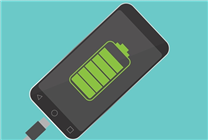
The quest for thinness has direct consequences on battery capabilities. The iPhone Air, with a mere 2800-3000mAh battery, struggles to support heavy usage for an entire day, forcing users to rely on external battery packs. Conversely, the Mate 70 Air’s formidable battery significantly enhances its usability, standing as a testament to Huawei’s commitment to performance over aesthetic appeal.
Imaging Systems: Quality Over Quantity
The optical capabilities of these devices reveal another critical differentiator. The iPhone Air’s single 48MP rear camera lacks versatility, failing to support advanced photography features like ultra-wide-angle or telephoto capabilities, while also being priced around ¥7,999. The Samsung Galaxy S25 Edge offers a dual-camera setup but suffers from compromised sensor size and poor low-light performance.
In contrast, the Mate 70 Air boasts a comprehensive three-camera system, including a 50MP main camera, 12MP telephoto lens, and an 8MP ultra-wide macro lens, ensuring users have the tools to capture a diverse array of shots without compromising on quality.
Communication: The User Experience Factor
Communication capabilities can be equally critical in influencing sales. The iPhone Air’s exclusive support for eSIM presents hurdles for users, particularly in regions where the eSIM ecosystem is not yet matured. In comparison, both the Galaxy S25 Edge and Mate 70 Air accommodate dual physical SIM cards, aligning better with user habits and preferences.
Pricing and Value Proposition
Price points play a significant role in consumer decisions. The iPhone Air, despite its flagship pricing, fails to justify its cost with subpar user experiences and features. Meanwhile, the Mate 70 Air offers a compelling combination of performance and affordability at ¥4,199, successfully resonating with consumers who demand value.
Conclusion: A Need for Balance
The unveiling of these devices underscores an essential lesson in consumer technology: aesthetics must not overshadow functional core experiences. The Mate 70 Air’s success echoes a growing sentiment among consumers who prioritize practicality over mere visual appeal.
Apple’s misstep illustrates a broader industry trend; as manufacturers embrace the thinness ethos, those that find equilibrium between sleek design and robust performance will ultimately triumph. The movement towards ultra-thin smartphones continues, but it is clear that the brands capable of offering a comprehensive experience will emerge as the long-term winners in this competitive landscape.