
Unveiling the Soviet-Era K565RU3 Chip: A Journey into Retro Technology
Summary
- Recent exploration of the K565RU3 chip reveals its Soviet origins and unique design.
- The chip, a 16KB DRAM, is believed to be a clone of the popular Intel 4116 chip.
- Insights into vintage microelectronics highlight the fascinating intersection of technology and history.
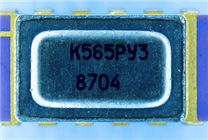
On November 9th, CPU enthusiast and collector @CPU Duke embarked on a fascinating journey into the history of microelectronics by examining a rare K565RU3 chip, a relic from the Soviet era. With a focus on the meticulous study of x86 architecture and vintage devices, CPU Duke utilized a microscope to unveil the intricate internal structure of this historic chip.
The K565RU3 is identified as a dynamic random access memory (DRAM) chip, boasting a modest capacity of 16KB. This chip is speculated to have been manufactured at the Mezon factory in Moldova, highlighting the significance of Soviet contributions to electronics during the Cold War period. It is part of a broader collection of Russian integrated circuits, courtesy of @RetroNora7734.
The Unique Construction of the K565RU3
Upon initial inspection, CPU Duke remarked on the chip’s robust design, likening it to a "can of fish." This comment underscores the sturdy construction of the K565RU3, which necessitated considerable effort to open. Once the casing was removed, the internal architecture of the chip revealed an impressive array of memory cells, observable under high magnification.
A Closer Look at Its Origins
Notably, the K565RU3 is suspected to be a reverse-engineered version of the Intel 4116 DRAM chip, which gained popularity throughout the late 1970s and early 1980s. This lineage is not merely coincidental—various iterations of the Intel 4116 found their way into iconic computers and gaming systems of the era. The lineup includes devices such as the Apple II, ZX Spectrum, and IBM PC, as well as classic arcade games like Defender and Missile Command.
The K565RU3 is thought to have been derived from Soviet home computers, with its design paralleling that of the 4116 DRAM. During this tumultuous time, Soviet industries often utilized cloned components to meet their electronic needs. More than just a single manufacturer, the Intel 4116 DRAM was widely produced by various electronics companies, including notable firms like Texas Instruments.
An Insight into Cold War Technology
The exploration of the K565RU3 chip provides a valuable lens through which to view the technological advancements and challenges faced during the Cold War. As countries raced to innovate, the appropriation and adaptation of products became a strategy employed by many nations, including the USSR. This chip serves as a poignant reminder of that era, encapsulating the spirit of ingenuity that characterized the age.
In examining the K565RU3, CPU Duke not only sheds light on the specific technological heritage encapsulated in this chip but also reflects a broader narrative of innovation and adaptation within the sphere of microelectronics. The dual paths of Western and Eastern technologies during this period provide a fascinating context for understanding the evolution of computing.
Conclusion
The journey into the inner workings of the K565RU3 chip exemplifies the enduring interest in retro technology. As collectors like CPU Duke delve into these vintage components, they uncover stories of resilience and creativity that have shaped modern computing. The K565RU3, with its Soviet roots and resemblance to the Intel 4116, stands as a testament to a transformative era in technology. The enthusiasm of enthusiasts fosters appreciation for the intricate details and historical significance embedded within such microelectronic devices, inviting a new generation to explore the rich tapestry of our technological past.