Understanding Intel Optane Memory: Is It Worth the Price?
Summary:
- Recent price drops in memory and storage options raise questions about value.
- Intel Optane memory, while affordable, serves a specialized role and has strict requirements.
- Most users may find better performance and value in traditional SSDs rather than Optane.
In recent discussions within the tech community, the dramatic price fluctuations of memory and solid-state drives have captured considerable attention. Amidst this noise, many consumers are searching for budget-friendly memory options. Notably, platforms such as Moubao or Mouyu are listing 128GB of memory for an astonishingly low price of 128 yuan, prominently branded as Intel. However, potential buyers should scrutinize whether such deals are genuinely advantageous.
The Nature of Intel Optane Memory
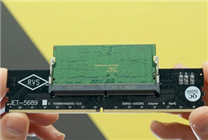
At first glance, the term "memory" might lead consumers to think of standard DRAM options. Intel’s Optane persistent memory, while appearing to function similarly with interfaces compatible with DDR4/DDR5 (and also featuring an M.2 interface), diverges significantly from typical consumer-grade memories. Optane utilizes 3D XPoint technology, categorizing it strategically as the intermediary between traditional memory and hard drives rather than a pure performance-focused DRAM solution.
Essentially, Optane memory cannot operate independently as the sole memory source; it must integrate with standard memory and conventional hard drives. Its primary role is that of a cache acceleration disk, offering performance enhancements over both HDDs and traditional SSDs. Despite having latencies much lower than NAND SSDs, it still underperforms compared to DRAM memory in speed.
For enterprise users, Optane presents a cost-effective means to expand memory capacity, allowing for faster data retrieval. This is particularly evident in server environments where Optane memory complements traditional memory in a paired configuration.
The Drawbacks of Optane Memory
Despite the appealing price point of 128 yuan for 128GB, potential limitations merit a closer look. For users who prioritize speeding up their hard drives but are unconcerned about occupying additional memory slots, the question arises: should they proceed with the purchase? The answer is a firm "no."
-
Platform Compatibility:
Optane has stringent platform requirements necessitating specific motherboards and compatible processors. These limitations complicate installation, making the entry barrier significantly higher than for standard memory solutions. -
Marginal Performance Gains:
For individuals already utilizing solid-state drives, the performance enhancements provided by Optane may not be noticeable in typical scenarios, such as gaming or everyday applications. In these cases, the investment may not yield the expected benefits. - Solid-State Drive Alternative:
If the current system relies on traditional mechanical hard drives, reallocating funds directly to a solid-state drive rather than incorporating Optane as an intermediary would be more advantageous. The efficiency and performance of SSDs outshine what Optane can deliver in everyday tasks.
Optane’s Niche Applications
That said, Optane memory holds particular value in specialized contexts. For users working with dedicated database platforms or applications requiring high cache hit rates, such as virtual machines or extensive computational tasks, Optane can provide notable performance improvements at a low cost.
The Future of Optane Memory
However, it is crucial to note that Intel is phasing out its Optane line, with support ceasing for this technology beginning with the fifth generation of Xeon Scalable processors. Consequently, investing in Optane memory now entails accepting a lack of future upgrades or iterations, diminishing its appeal.
Conclusion
As the allure of low-cost memory alternatives continues to rise, it is essential for consumers to evaluate their specific needs and system compatibility before making any purchases. While the pricing for Intel Optane memory may suggest a good deal, its specialized nature and the looming obsolescence of the technology render it a questionable investment for most users. For the average consumer, the path of purchasing a reliable solid-state drive remains the more prudent choice, promising a better balance of performance and longevity.