
The highly anticipated game “Resident Evil: Requiem” has been released, with recommended system specifications featuring an RTX 2060 or RX 6600 alongside an Intel i7-8700 or Ryzen 5 5500. This marks a significant moment for both PC gamers and those looking to upgrade their hardware for enhanced gameplay experiences.
This information is particularly relevant for gamers exploring systems to improve their gameplay. If you’re considering investing in new components or building a gaming rig, understanding the performance dynamics between AMD and Intel processors is crucial. The game is set to be globally available, which means you can optimally experience its advanced graphics and gameplay mechanics across different regions, provided your system meets the specifications.
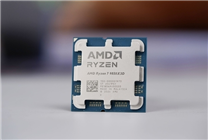
In terms of market context, the performance disparity between AMD’s Ryzen 7 9850X3D and Intel’s i9-14900KS is notable. While the Ryzen chip generated an average frame rate that was nearly 50% higher during tests at 1080p resolution with high-end graphics settings, Intel processors showed some merit in maintaining stable low frame rates, a key factor for smoother gameplay. Priced competitively, AMD’s offerings could serve serious gamers looking for high performance, but alternatives like Intel’s 12th-gen processors may appeal to users favoring a balanced approach with creative or multi-threaded tasks in mind.
Ultimately, whether you should consider an AMD upgrade or stick with Intel depends on your gaming preferences and system demands. If your primary interest lies in peak gaming performance with the latest titles, the Ryzen processors are a strong contender. Conversely, if you engage in diverse tasks beyond gaming and appreciate strong overall performance, Intel’s chips may suit you better. One reason you might opt against purchasing an AMD processor would be if you already have a sizable investment in Intel hardware, as switching platforms can incur additional costs.
Source:
news.mydrivers.com