
Summary of Key Trends in the TV Market for 2026:
- Decline in Shipments: Global TV shipments are projected to decline in 2026, impacted by rising production costs and insufficient domestic demand in major markets.
- Shifting Manufacturing: The trend of relocating TV manufacturing to places like Mexico continues, with Chinese brands maintaining growth amidst challenges faced by foreign competitors.
- Technological Innovations: Emerging technologies like RGB TVs and the introduction of smartphone-level chips in televisions signify a shift towards a more interactive and multi-functional viewing experience.
The Future of the Global TV Market: Trends to Watch in 2026
As we approach 2026, the global television market is set to undergo significant transformations. According to recent projections, global TV shipments are expected to experience a modest decline year-on-year. This downturn can primarily be attributed to rising production costs and changes in consumer demand, especially in key markets such as China and Europe.
1. Decline in Global TV Shipments
The TV market has faced mounting challenges in recent quarters. Storage price increases have significantly affected various industries, leading some manufacturers to consider price hikes on complete units. While major sporting events like the World Cup typically boost TV sales, analysts predict that the negative implications of rising production costs will overshadow any gains from such events. Consequently, a year-on-year decline in global TV shipments is anticipated.
2. Regional Shipment Trends
The Chinese market is particularly affected by a lack of domestic demand, with shipments expected to fall by approximately 4.8% in 2025 and continue to decline into 2026. Conversely, North America’s TV shipments are forecasted to remain stable, while the broader European market faces a downturn. Notably, Eastern Europe may see slight growth, contrasting with a decline in Western Europe.
3. Emerging Market Dynamics
Despite the challenges faced by mature markets, emerging regions—specifically in the Asia-Pacific, Latin America, and parts of the Middle East and Africa—show potential for growth. However, this growth could be hampered by the rising prices of televisions driven by increased component costs. As such, while these regions present opportunities, the overall growth rate may slow.
4. Manufacturing Trends
The relocation of television manufacturing capacities continues to be a defining trend, with Mexico becoming a crucial hub as brands seek to expand production. Major companies, including TCL and Innotron, are ramping up manufacturing in this region. This shift aims to take advantage of cost efficiencies and closer proximity to key markets.
5. Brand Dynamics: Chinese Brands on the Rise
Chinese brands like Hisense and TCL are witnessing a consistent increase in shipment volumes due to their aggressive overseas expansion strategies and lean supply chains. In contrast, foreign brands such as Samsung and LG are struggling, reporting significant losses and contemplating strategic sell-offs. This divergence in performance sets the stage for Chinese brands to potentially dominate the market by 2028.
6. Potential Changes in the Market Topography
The competitive landscape may witness shifts in top brands. Historically, Samsung, LG, Hisense, TCL, and Xiaomi have dominated the global TV market. However, Skyworth’s recent acquisitions position it favorably, potentially sliding into the top five as its shipments are expected to reach 11 million units in 2026.
7. Technology Trends: Mini LED and OLED Markets
While Mini LED and ultra-large televisions (85-inch and larger) experienced rapid growth between 2024 and 2025, the momentum is projected to taper off in 2026. On the other hand, Korean brands will continue to lead the OLED market, although their growth remains moderate due to high price points and limited supplier options. The forecast indicates a slight recovery in OLED shipments, even as the 8K TV segment struggles with declining sales.
8. Emergence of RGB Technology
The RGB TV segment, which began gaining attention in 2025, is expected to continue its upward trajectory. Brands like Samsung and TCL aim to solidify their presence in the RGB market, forecasting a substantial leap in shipments to approximately 500,000 units in 2026.
9. Redefining Viewing Experience
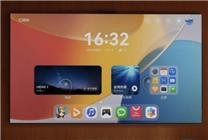
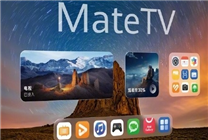
As consumer preferences evolve, the television is transforming from a passive viewing device to an interactive "giant screen mobile phone." Huawei’s introduction of the Mate TV—with advanced mobile-level chips—illustrates this shift. This innovation not only enhances entertainment experiences but also expands the functionality of TVs into education and conference environments, heralding a new era for large-screen devices.
Conclusion
The television market in 2026 is poised for significant changes, influenced by economic pressures, shifting production landscapes, and technological advancements. While challenges abound, emerging trends present new opportunities for growth and innovation, setting the stage for a dynamic future in the industry.