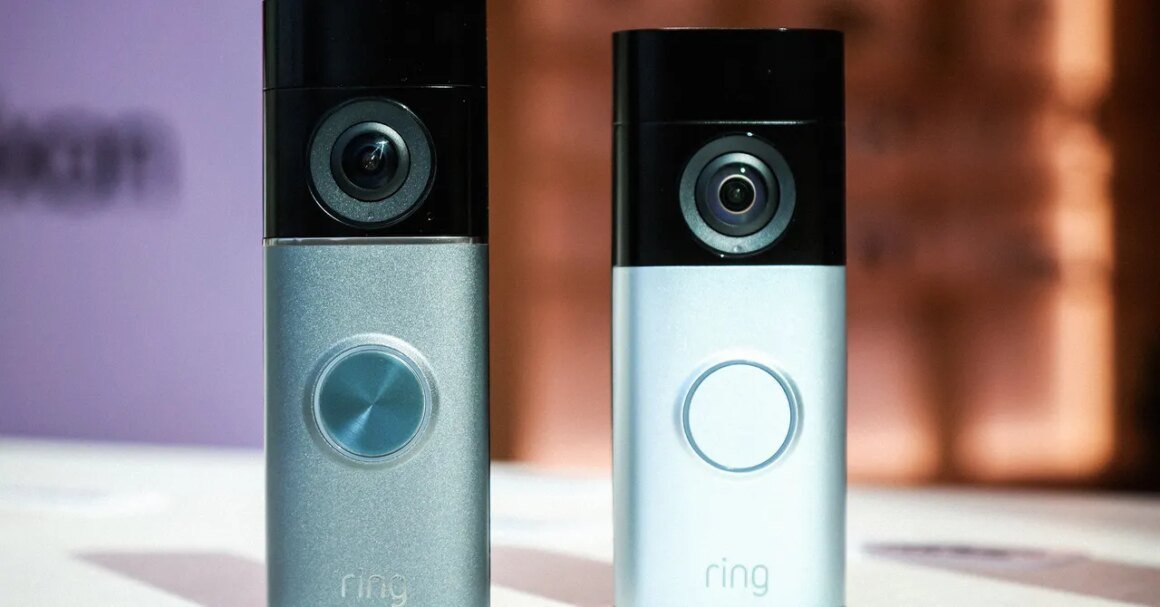

A recent controversy has emerged surrounding Ring, the Amazon-owned security camera company, due to its new feature “Search Party,” introduced in a Super Bowl commercial. This feature uses a network of Ring cameras to help locate lost pets, but critics have labeled it a potential invasion of privacy and an expansion of neighborhood surveillance. In response to public backlash, a group has offered a $10,000 bounty to encourage individuals to hack Ring cameras in order to reclaim user data control.
This development is particularly important for those considering smart home devices, especially security cameras. The growing skepticism around privacy breaches makes it essential for consumers to thoroughly evaluate any security technology before making a purchase. Those who value their privacy might want to reconsider investing in Ring products, given the recent revelations about potential misuse of user data and how Ring plans to use its surveillance network.
In terms of market options, Ring’s security cameras generally price between $99 to $249, which is competitive compared to other brands like Nest and Arlo. For instance, the Arlo Pro 4 starts at about $199 and emphasizes privacy with various features aimed at protecting user data. Meanwhile, the Google Nest Cam, priced similarly, offers an intuitive interface but does require a subscription for full functionality. Each of these alternatives has its strengths and weaknesses, particularly concerning price sensitivity and data security. Choosing the right product largely depends on how much weight you place on privacy versus additional features.
For individuals prioritizing security but also concerned with privacy issues, it may be wise to evaluate alternatives to Ring. The controversy highlights a significant dichotomy between security and data ownership in smart home technology. If data control and privacy are major concerns for you, exploring brands that offer enhanced privacy protections might be a better route. Prospective buyers should be wary of overall data collection practices when making their decision.
Source:
www.wired.com