
OLED vs Mini-LED TV: Which Should You Buy in 2026?
By the TechDeals editors · updated November 6, 2026 · how we pick deals
Short answer: buy OLED if you mostly watch films and series in a dim room and sit off to the side of the screen. Buy Mini-LED if your living room is bright, you want a screen of 75 inches or more, or you leave news channels and game menus on screen for hours. Both make excellent 4K TVs in 2026; they are good at different things.
How the two technologies differ
An OLED panel has no backlight. Each of its 8 million pixels makes its own light and can switch fully off, which is why black is truly black and a star field looks like a star field. A Mini-LED TV is still an LCD: thousands of tiny LEDs behind the panel light it in zones. More zones means better control, but light can still spill around bright objects on a dark background (the "halo" or blooming effect).
| OLED | Mini-LED | |
|---|---|---|
| Black level and contrast | Perfect blacks, pixel-level control | Very good, some blooming around bright objects |
| Peak brightness | Good, lower on full-screen bright scenes | Higher; the best sets are made for bright rooms |
| Viewing angle | Wide, colours hold off-axis | Narrower on most VA panels |
| Screen size for the money | Expensive above 65 inches | 75 to 100 inches is where it shines |
| Main long-term risk | Burn-in from static images | Backlight or LED failures |
| Gaming | Near-instant pixel response, up to 165Hz on 2026 LG C6 | 144 to 165Hz, very bright HDR |
Burn-in and lifespan: what testing shows
The best public data comes from RTINGS, which has run more than 100 TVs through an accelerated, multi-year longevity test. Its findings cut both ways. On OLED, RTINGS reports that burn-in has not improved as much as expected: sets left on a news channel for thousands of hours show permanent marks from static logos and tickers. On LCD and Mini-LED, the same test found that backlight problems were the most common kind of failure; as Tom's Hardware summarized, 20 of the 102 TVs failed over three years, and OLEDs held up better overall.
What this means in practice: normal mixed viewing (films, series, sport, some gaming) is very unlikely to burn in a modern OLED. If one channel with a fixed logo runs most of the day, or the TV doubles as a PC monitor with a static taskbar, Mini-LED is the safer pick.
Pick OLED if…
- You watch mostly in the evening with the lights low.
- Several people sit at an angle to the screen.
- You want the most cinematic picture at 48 to 65 inches.
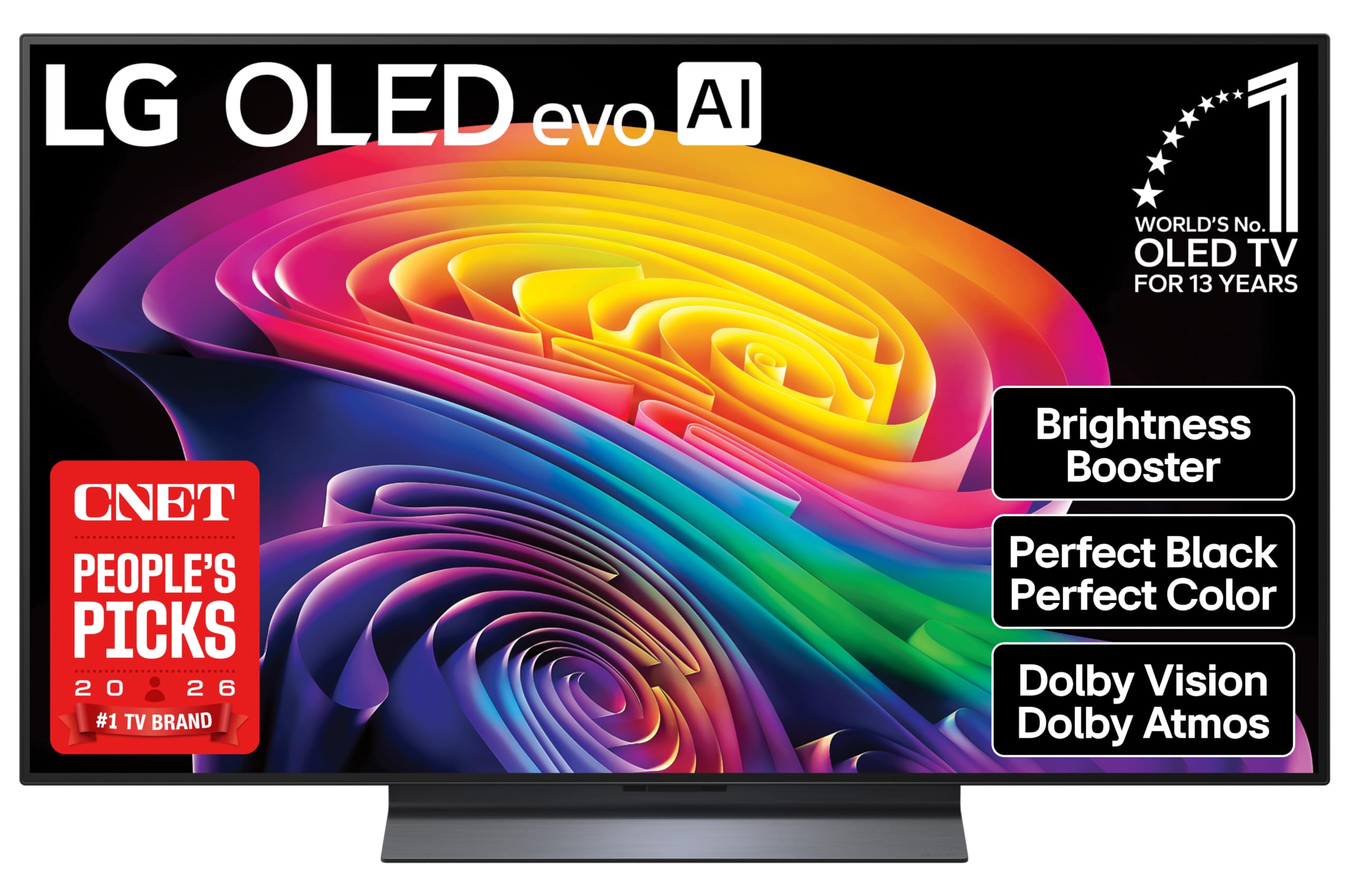
LG's C-series is the reference OLED range. The 2026 C6 adds up to 165Hz for PC and console gaming; the 2025 C5 has a native 120Hz panel with VRR up to 144Hz. See all LG deals.


For a desk or a small bedroom, the 42 and 48-inch C6 models are among the few OLED TVs that size.
Pick Mini-LED if…
- Your room gets daylight or you watch sport in the afternoon.
- You want 75 inches or more without OLED pricing.
- The TV shows static content for long stretches.
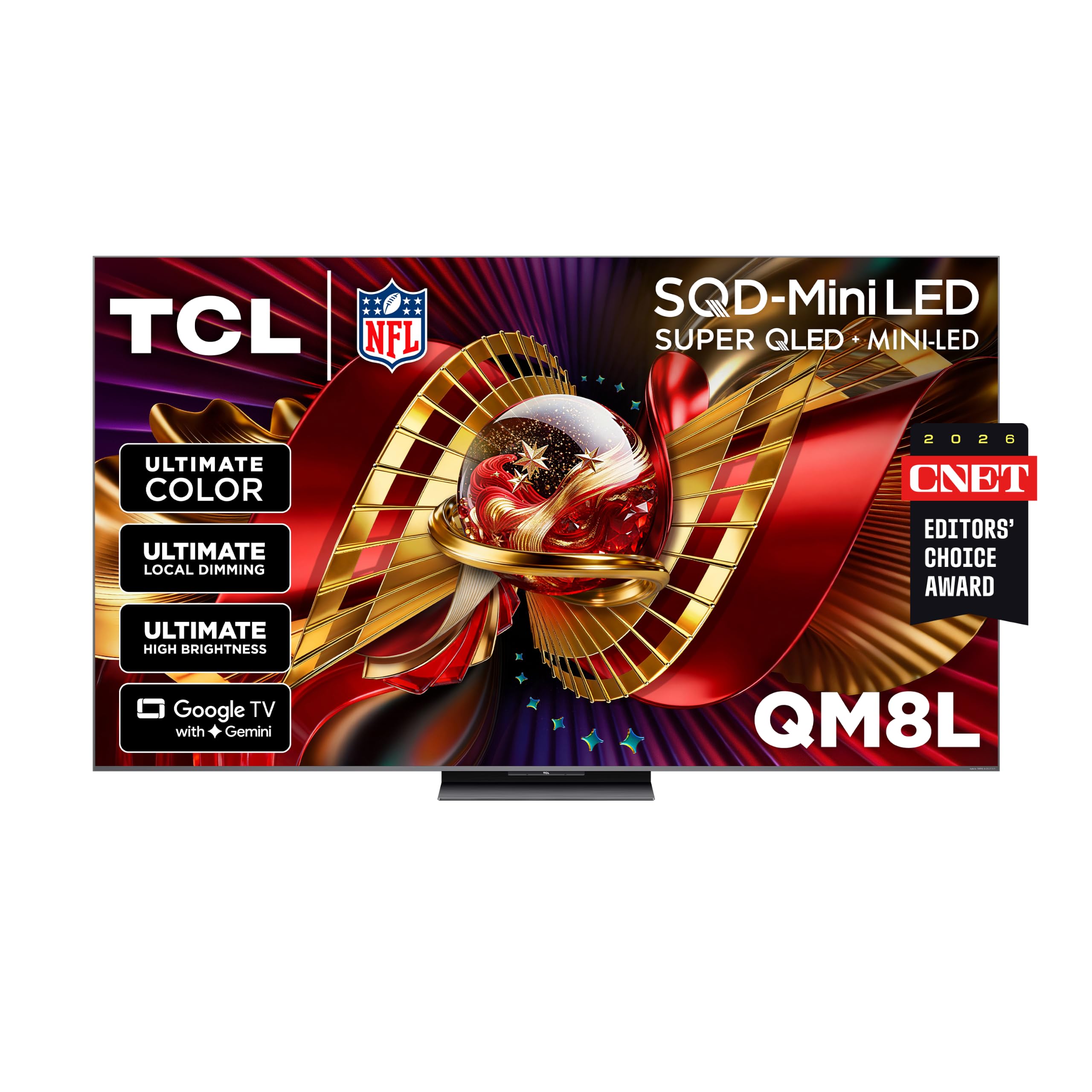
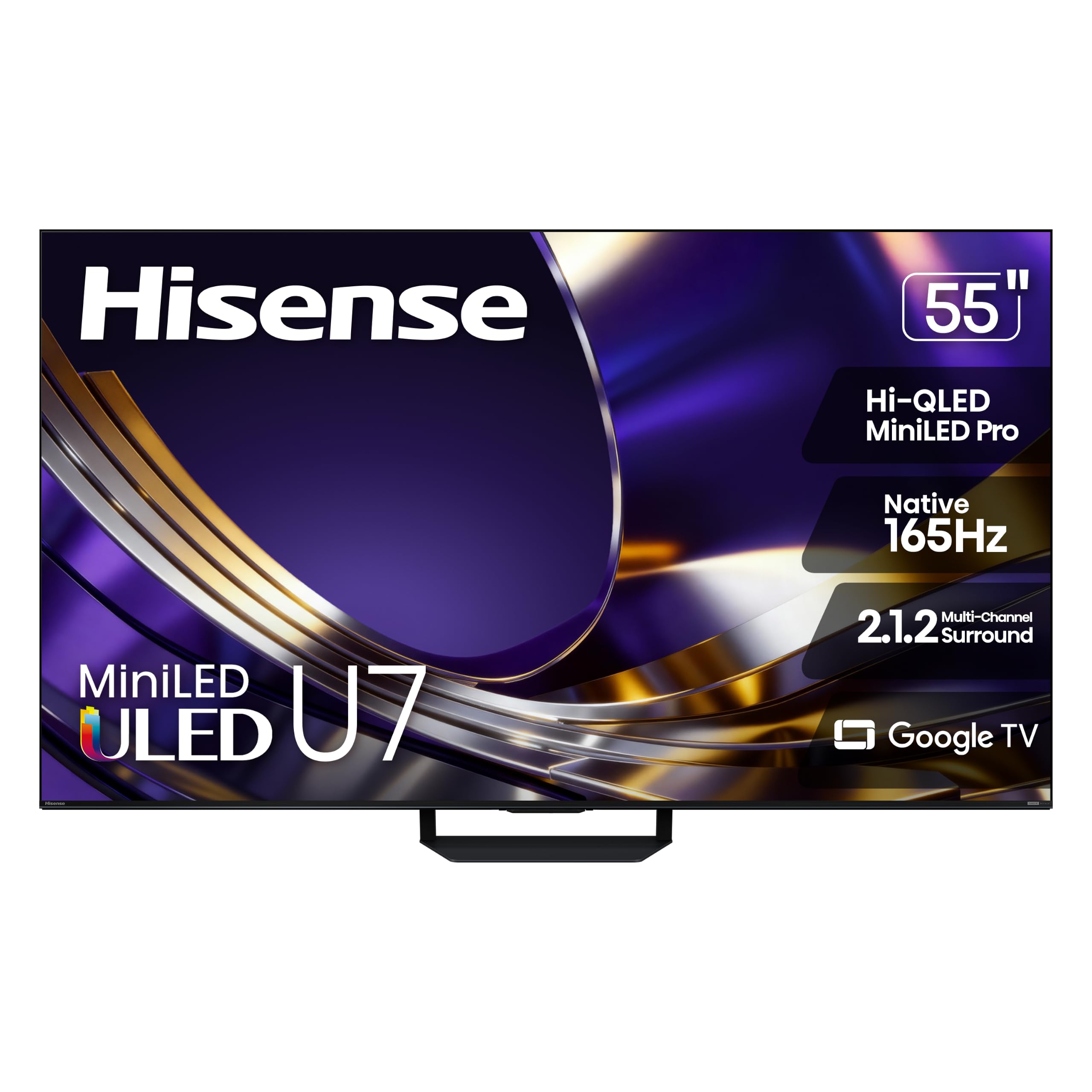
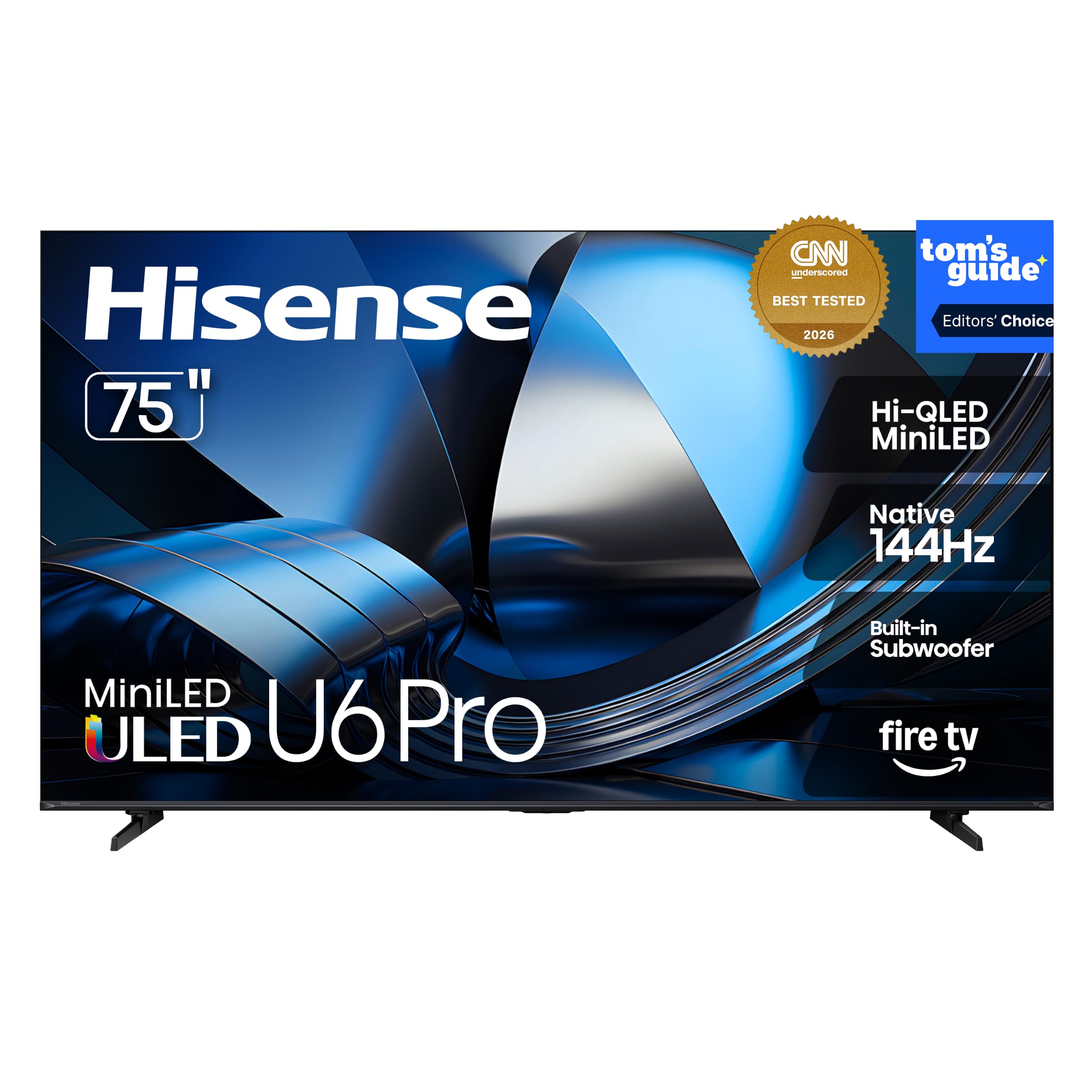
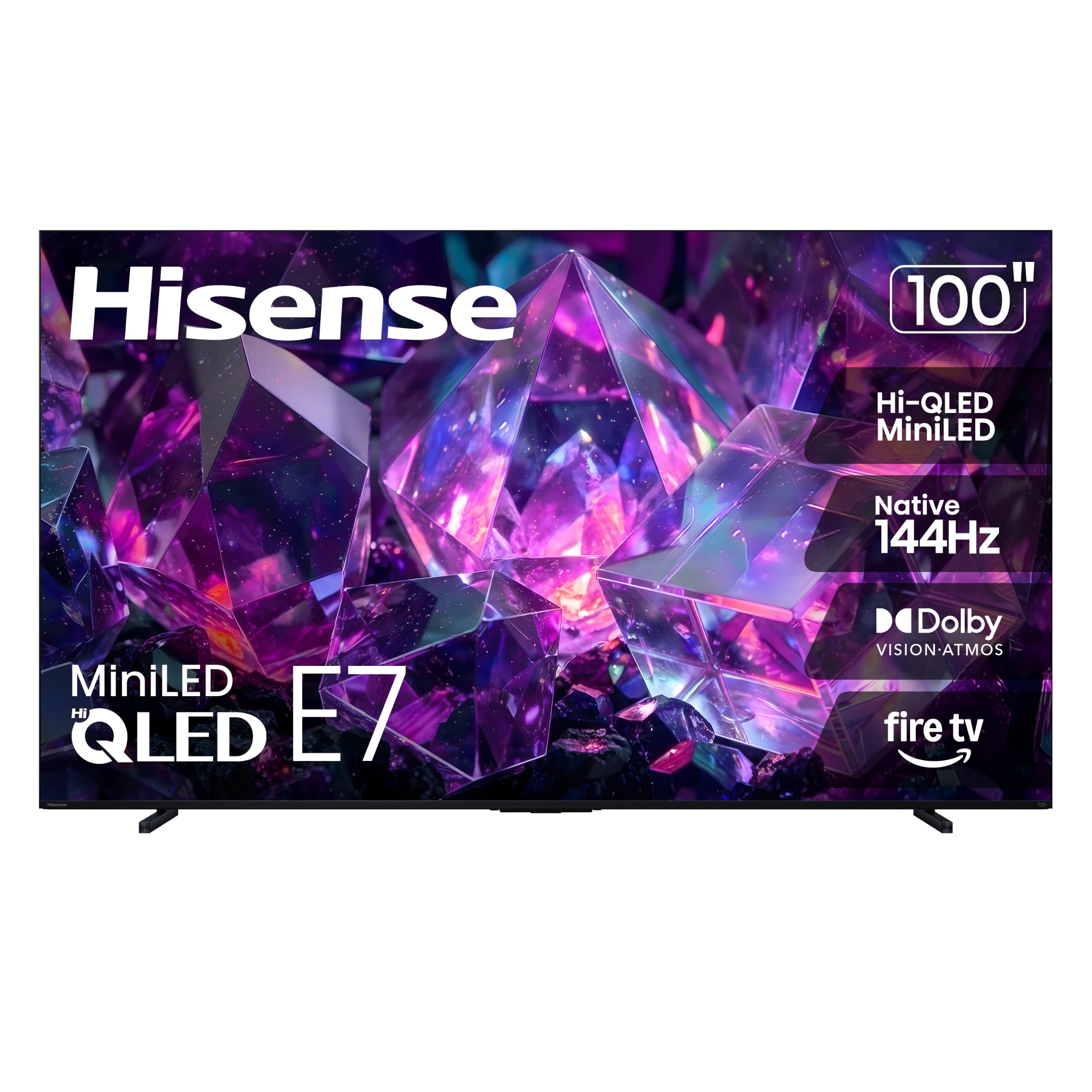
TCL's QM8L lists up to 6,000 nits of peak brightness, a very high figure for a TV. Hisense's U7 and U6 Pro ranges trade some of that brightness for lower prices and native 144 to 165Hz panels. Browse TCL and Hisense deals.
If screen size matters more than anything, 85 to 100-inch Mini-LED sets are the only realistic way to get a home-theatre picture without a projector.
FAQ
Is OLED better than Mini-LED?
For contrast, black levels and viewing angles, yes. For brightness, very large sizes and static content, Mini-LED is the better tool. Neither is better for everyone.
Will an OLED TV get burn-in?
It can, if the same static image stays on screen for many hours a day over months. Mixed everyday viewing carries low risk, and current OLEDs shift pixels and dim static logos to reduce it.
Which is better for gaming?
Both support 4K at 120Hz or more and variable refresh rate on HDMI 2.1 ports. OLED has faster pixel response; Mini-LED gets brighter in HDR games. Check that the model you pick lists the refresh rate your console or PC uses.
More sets are on the TVs and projectors page and in our TV deals guide. Prices on the cards are live and show when they were checked.
Sources
- burn-in has not improved as much as expected (rtings.com)
- Tom's Hardware summarized (tomshardware.com)
Get the best deals by email
New buying guides and the best live tech deals, in one short email.
As an Amazon Associate we earn from qualifying purchases. Prices shown on deal cards are as of the time listed on each card.