
Anker vs Ugreen: Which Charger and Power Bank Brand Should You Buy?
By the TechDeals editors · updated November 6, 2026 · how we pick deals
Anker and Ugreen are the two charger brands most Amazon shoppers end up choosing between. Both are Chinese companies of a similar age (Anker, founded 2011 in Changsha; Ugreen, founded 2012 in Shenzhen), both build GaN wall chargers, magnetic power banks and USB-C docks, and both are usually quick to support new standards. The honest answer is that the specific model matters more than the brand.
Three specs that actually matter
GaN. Gallium nitride chargers switch power more efficiently than older silicon designs, so they run cooler and fit more watts into a smaller block; Wikipedia's overview cites a 30 W GaN USB-C charger that is significantly smaller than its silicon equivalent. Almost every current Anker and Ugreen wall charger is GaN.
USB-C Power Delivery (PD). This is the standard that lets one charger fill a phone, a tablet and a laptop. Since USB PD 3.1, a single port can deliver up to 240 W (see USB hardware), though most laptops need 45 to 100 W. Over 60 W, use a USB-C cable rated for 5 A.
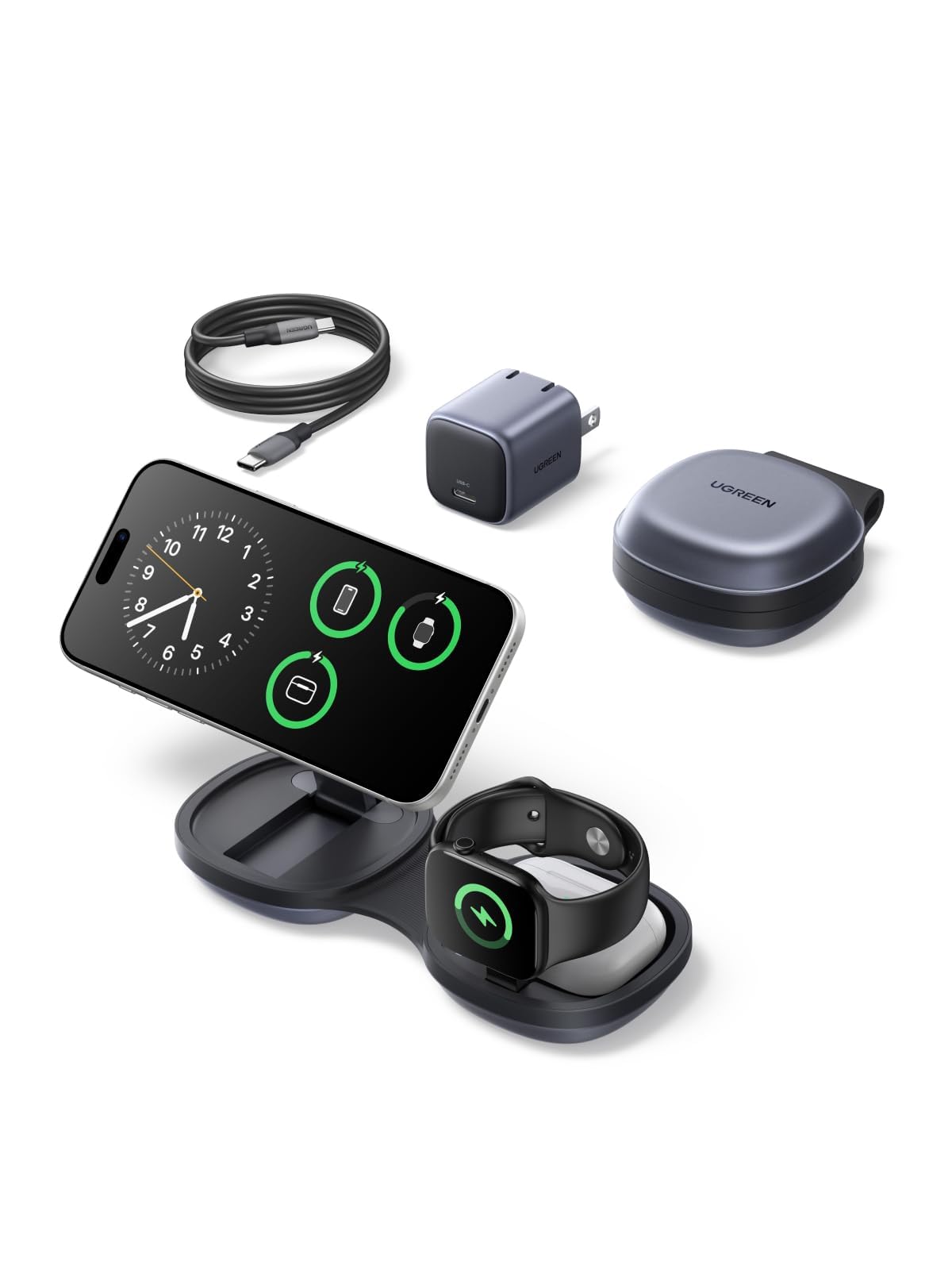
Qi2 25W. The Wireless Power Consortium's newest magnetic wireless standard (formerly Qi2.2) delivers nearly 70% more power than the original 15 W Qi2, according to MacRumors. Ugreen and Anker were among the first brands to certify accessories for it. You only get 25 W with a phone that supports it; older iPhones fall back to lower speeds.
Anker vs Ugreen at a glance
| Anker | Ugreen | |
|---|---|---|
| Founded | 2011, Changsha | 2012, Shenzhen |
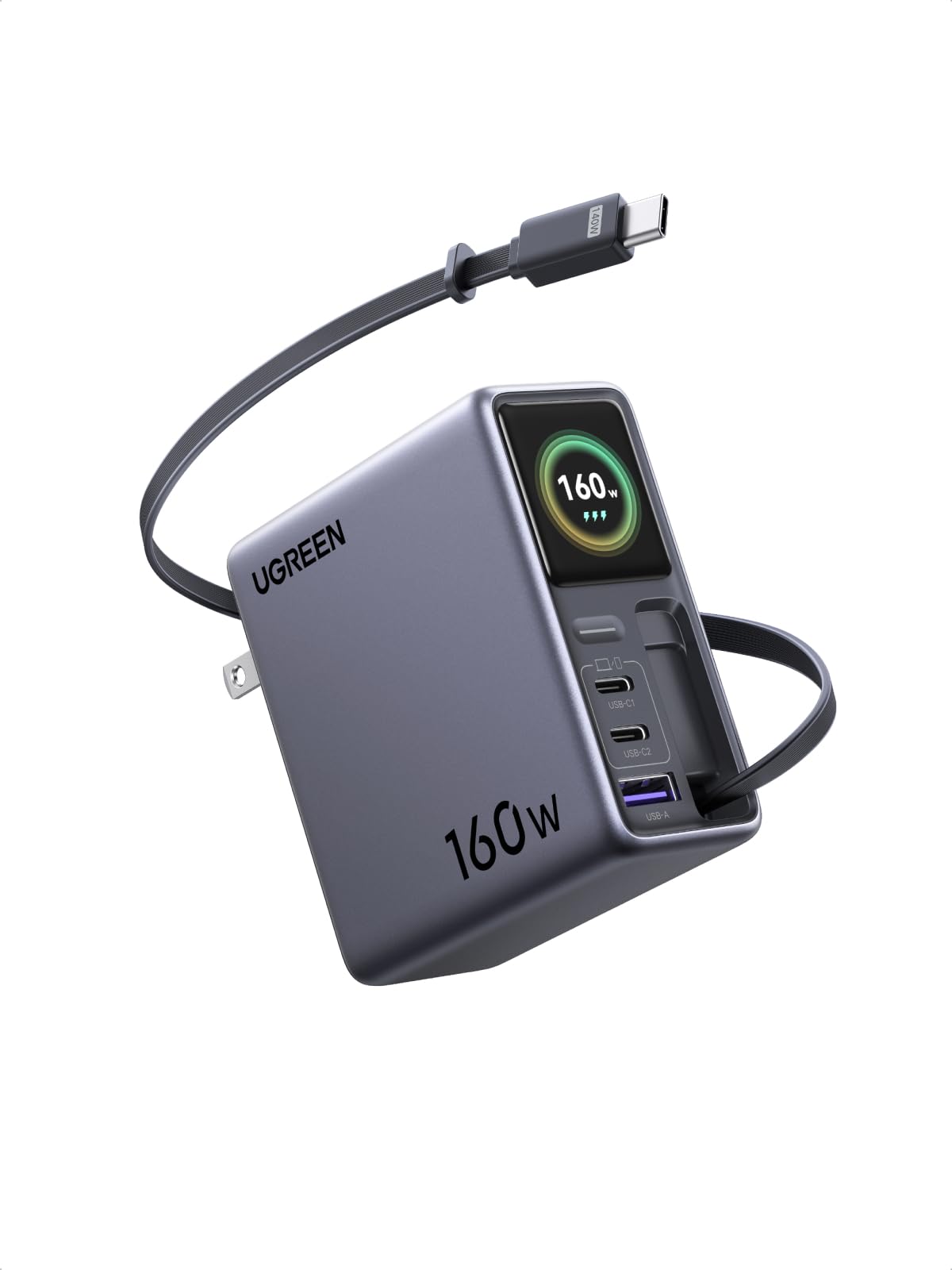
| Wall chargers | Compact GaN blocks, phone to laptop wattage | Nexode GaN, up to 160 W multi-port |
| Power banks | Large range, magnetic and laptop-class | MagFlow Qi2 range, built-in cables |
| Extras | Sister brands Soundcore, eufy, Anker SOLIX | Docks, hubs, NAS drives, cables |
| Best for | Compact everyday chargers | Multi-port desk and travel chargers |
How much wattage do you need?
- Phone only: 20 to 30 W.
- Phone + tablet: 45 to 65 W from a two or three-port charger.
- Laptop + phone: 65 to 100 W, more if both charge fast at once. Note that multi-port chargers split their total between ports.
- Everything on one desk: 140 to 160 W, four ports.
Anker deals
The 67 W three-port GaN block is the sweet spot for a phone, a tablet and a 13 or 14-inch laptop. The 622 is a slim magnetic battery for iPhones that also folds out as a stand. See all Anker deals.


Ugreen deals
Ugreen's Nexode Pro 160 W is a four-port charger with a retractable cable, built for charging a laptop and several devices from one outlet. The MagFlow line covers Qi2 25W, as a power bank with a built-in USB-C cable or as a foldable three-in-one stand for iPhone, AirPods and Apple Watch. See all Ugreen deals.

Other options
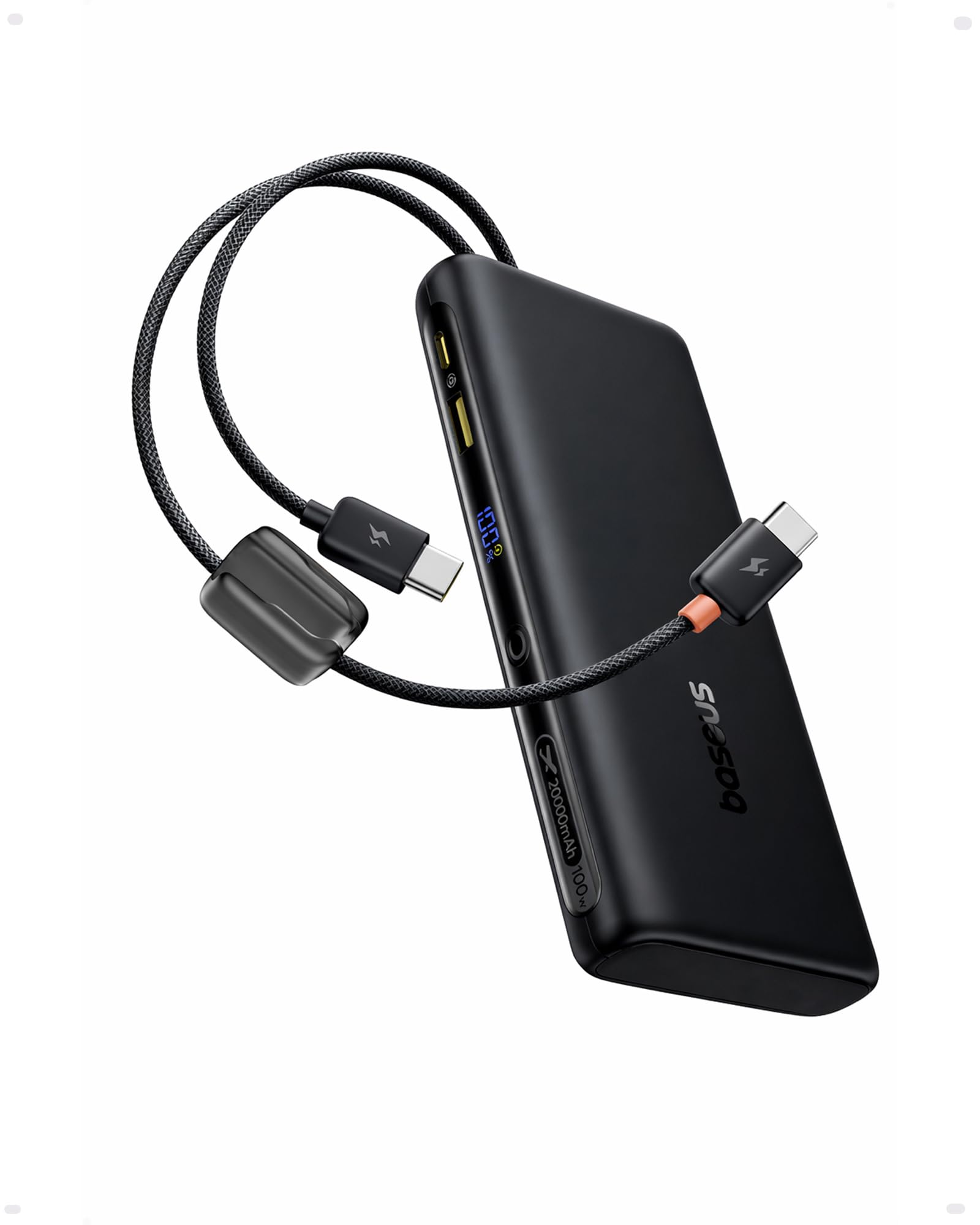
Baseus makes a 100 W, 20,000 mAh laptop power bank with two built-in USB-C cables, useful for travel. Laptop makers' own USB-C chargers, such as Lenovo's 65 W, are a simple choice if you only need one port.

FAQ
Is Ugreen as good as Anker?
For chargers and power banks, the two are close: both use GaN, support USB-C PD and ship Qi2 25W products. Pick on the model's ports, wattage and size rather than the brand.
Can I charge my laptop with a phone charger?
If both support USB-C PD, yes, but slowly if the charger is under the laptop's rated wattage. A 65 W charger covers most thin laptops.
Can you take a power bank on a plane?
FAA rules put power banks in carry-on bags only, never checked luggage; packs up to 100 Wh need no airline approval, and 101 to 160 Wh need the airline's OK (FAA PackSafe). A 20,000 mAh bank is about 74 Wh.
More on the chargers and power banks page. Prices on the cards are live and show when they were checked.
Sources
- Anker (en.wikipedia.org)
- Ugreen (en.wikipedia.org)
- Wikipedia's overview (en.wikipedia.org)
- USB hardware (en.wikipedia.org)
- according to MacRumors (macrumors.com)
- FAA PackSafe (faa.gov)
Get the best deals by email
New buying guides and the best live tech deals, in one short email.
As an Amazon Associate we earn from qualifying purchases. Prices shown on deal cards are as of the time listed on each card.